Crochet Knitting Embroidery Design Review
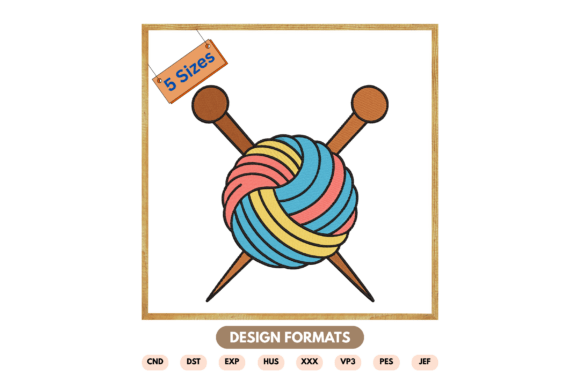
As a professional embroidery designer specializing in commercial merchandise and brand identity, I approach every new machine embroidery design with a critical eye toward production viability. When evaluating the Crochet Knitting Embroidery Design for small business applications, my primary focus shifts from simple aesthetics to functional durability and marketability. This design, featuring a colorful yarn ball with crossed needles, immediately presents itself as a versatile asset for the handmade sector. However, translating this cozy visual into a profitable embroidered patch or uniform logo requires careful technical consideration.
Visual Personality and Brand Alignment
The first impression of the Crochet Knitting Embroidery Design is undeniably warm and artisanal. For businesses in the creative space—such as yarn shops, boutique studios, or craft cafés—this visual language communicates authenticity instantly. Unlike generic clip art, the interplay of the yarn texture and needle placement suggests movement and craftsmanship. From a branding perspective, this is crucial. Customers associate high-quality custom apparel with attention to detail. If your business sells handmade goods, your branding must reflect that same level of care.
I find this design particularly effective for establishing a friendly yet professional tone. It avoids being overly cutesy, which allows it to mature well across different mediums. Whether applied to a rustic linen apron or a modern canvas tote, the design maintains its integrity. For Etsy sellers and independent makers, this specific aesthetic bridges the gap between hobbyist charm and established brand identity. It signals to the buyer that the product they are receiving is curated and intentional.
Commercial Applications and Merchandise Strategy
In real-world business scenarios, versatility is king. The Crochet Knitting Embroidery Design performs exceptionally well across various small business merch categories. Here is how I evaluate its application potential:
- Staff Uniforms and Aprons: For knitting cafes or fiber arts instructors, this design serves as an excellent chest logo or pocket accent. The vertical orientation of the crossed needles fits naturally on shirt plackets without distorting when the wearer moves.
- Tote Bag Design: Canvas totes are a staple for yarn shoppers. This design provides ample coverage area without requiring excessive stitch density, keeping the bag lightweight and flexible rather than stiff and bulletproof.
- Embroidered Patches: Creating standalone patches for sale or branding is a high-margin opportunity. The distinct outline of the yarn ball makes this ideal for merrowed edge finishing. As a patch, it becomes a collectible item for customers to customize their own gear.
- Cap Embroidery: While usable on caps, the design requires modification. The height-to-width ratio of a yarn ball can be challenging on curved visors. I recommend testing a flattened version specifically for headwear to prevent registration issues.
- Product Packaging: Beyond apparel, consider embroidering this onto drawstring bags used for packaging finished knitwear. It elevates the unboxing experience and reinforces the premium nature of the handmade product.
Technical Considerations for Production
While the Crochet Knitting Embroidery Design is visually appealing, technical execution determines its success in commercial embroidery. Business owners must understand where caution is necessary to avoid wasted materials and unhappy clients.
Fabric Texture and Stabilizer Selection
The "cozy" nature of this design often leads businesses to choose textured fabrics like fleece, wool, or heavy knits. These materials are notorious for swallowing stitches. When running this embroidery file on textured surfaces, you must use adequate stabilizer. A cut-away stabilizer is generally superior to tear-away for knit fabrics to prevent puckering around the dense satin stitches of the yarn strands. Without proper stabilization, the intricate details of the knitting needles will sink into the fabric pile, rendering the design muddy and unprofessional.
Size Limitations and Detail Loss
One common mistake in apron embroidery and labeling is resizing designs too aggressively. The Crochet Knitting Embroidery Design likely contains texture stitches to simulate yarn wrapping. If reduced below a certain threshold, these texture stitches turn into solid fills, losing the intended effect. Furthermore, if the design includes small text elements alongside the graphic, reducing the size may cause lettering to become illegible after washing. Always verify the minimum recommended size before committing to bulk production.
Thread Colors and Contrast
The description mentions "colorful" yarn, but in a business context, color consistency matters more than variety. Ensure your thread colors match your Pantone brand standards exactly. High contrast is essential for visibility on dark uniforms. If embroidering white yarn on a navy apron, ensure there is enough underlay to prevent the dark fabric from showing through the light threads. Conversely, on light fabrics, avoid using white thread for outlines as it can disappear; opt for a tonal grey or brand-accent color instead.
Impact on Customer Trust and Value Perception
Why does the technical quality of the Crochet Knitting Embroidery Design matter to your bottom line? Because perceived value drives pricing power. A sloppy stitch-out implies a sloppy product. When a customer sees crisp, clean embroidery on a tote bag design or staff uniform, they subconsciously trust the quality of the goods being sold.
For digital design assets buyers, this design offers a shortcut to professional presentation. Instead of spending hours digitizing a complex yarn illustration, utilizing a pre-tested digital embroidery file allows you to allocate resources toward marketing and sales. However, the value lies in the finish. A well-executed stitch-out enhances the tactile experience of the merchandise. In the sewing and crafting niche, customers are experts in textiles; they will notice skipped stitches, poor tension, or cheap sheen. Investing time in perfecting this design pays dividends in customer loyalty and repeat business.
Designer Notes: Pre-Production Checklist
Before loading the Crochet Knitting Embroidery Design into your machine for a client order or inventory run, follow this professional workflow to mitigate risk:
- Verify Licensing: Confirm that the embroidery file includes commercial usage rights. Personal licenses do not cover selling finished merchandise or branded uniforms.
- Create a Printable Mockup: Before stitching, place the design digitally on photos of your actual products. This helps visualize scale and placement relative to seams, pockets, and zippers.
- Test Stitch on Real Fabric: Never assume a design works on all materials. Run a test on the exact fabric texture you intend to use for the final product. Adjust tension and density based on the results.
- Check Hoop Size Compatibility: Ensure the design fits comfortably within your available hoops with room for stabilization clamping. Overstretching fabric to fit a hoop causes distortion that cannot be fixed post-embroidery.
- Evaluate Washability: If producing items like aprons or work shirts that require frequent laundering, perform a wash test. Check if the thread colors bleed or if the design shrinks at a different rate than the garment.
- Compare Against Existing Assets: Place this design beside your current logos and icons. Does it share a similar weight and style? Visual consistency across your brand identity creates a cohesive shopping experience.
The Crochet Knitting Embroidery Design holds significant promise for businesses in the fiber arts and handmade sectors. By treating it as a commercial tool rather than just a decorative element, and by adhering to strict production standards, you can transform this cozy motif into a powerful driver of brand recognition and merchandise sales. Always prioritize technical excellence to ensure your finished product honors both the craft of embroidery and the integrity of your business.