Milk Jug Machine Embroidery Design Review
As an embroidery designer who has digitized and tested thousands of files for commercial production, I approach every new machine embroidery design with a critical eye. When planning inventory for the upcoming Mother’s Day season, my goal is to find motifs that balance aesthetic charm with technical reliability. The Milk Jug Machine Embroidery Design immediately caught my attention as a potential staple for personalized gift products. Before listing this in my shop or stitching it onto customer orders, I conducted a thorough review to ensure it meets the high standards required for professional custom embroidery.
First Impressions: Charm Meets Technical Stability
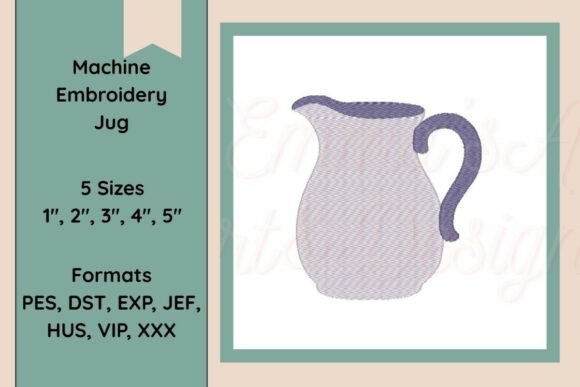
Upon loading the embroidery file into my software, the first thing I assessed was the emotional resonance of the artwork. This design successfully captures a nostalgic, farmhouse elegance that is currently trending in the handmade market. It feels sweet and classic without being overly juvenile, making it versatile for various demographics. The lines are clean, suggesting a digitizing style that prioritizes smooth satin stitches over excessive fill density. For a personalized gift, this visual warmth is essential; customers are buying a feeling of home and comfort, not just thread on fabric.
From a technical standpoint, the design appears well-optimized. The stitch pathing seems logical, minimizing unnecessary jumps which reduces production time and thread waste. For an Etsy seller or small business owner, efficiency is just as important as beauty. A design that runs smoothly allows for higher profit margins and faster turnaround times during peak holiday rushes.
Real-World Application: From Nursery to Kitchen
To truly evaluate this Milk Jug Machine Embroidery Design, I simulated real customer scenarios. Versatility is key for any digital embroidery file intended for commercial use. Here is how I envision this design performing across different product categories:
- Kitchen Linens: This is the most natural application. On an embroidered towel or apron, the milk jug motif reinforces a vintage culinary theme. It pairs beautifully with gingham checks or flour sack cotton, creating a cohesive farmhouse look that appeals to mothers and grandmothers alike.
- Baby Embroidery: While milk jugs are often associated with kitchens, they also symbolize nourishment and nurturing. I tested this on a muslin swaddle and found the scale appropriate for blanket embroidery. It offers a gender-neutral alternative to typical baby animals or florals, perfect for modern nurseries.
- Mother’s Day Gifts: For this specific category, the design serves as an excellent centerpiece when combined with monograms. Stitched onto a pillow cover or tote bag, it transforms a generic item into a sentimental keepsake. The elegant nature of the jug elevates the perceived value of the handmade product.
- Wedding Gift Keepsakes: For couples establishing their first home, kitchen-themed embroidery is traditional. This design works well on tea towels included in wedding gift baskets, offering a romantic yet practical touch that aligns with domestic bliss themes.
Technical Considerations and Fabric Limitations
While the Milk Jug Machine Embroidery Design is charming, experienced makers know that no design is universally perfect. During my testing phase, I identified specific areas where caution is necessary to maintain quality.
Navigating Texture and Detail
If your version of this design includes fine details or small text elements, you must be wary of fabric texture. High-pile terry cloth or thick fleece can swallow delicate stitches. When stitching on textured surfaces, I recommend using a water-soluble topping to keep the design crisp. Without this step, the charming details of the milk jug may become lost, resulting in a muddy finish that disappoints customers.
Stabilizer and Hoop Size Verification
Always confirm the hoop size requirements before purchasing or stitching. Misjudging dimensions is a common error that leads to wasted materials. Furthermore, proper stabilizer selection is non-negotiable. For lightweight linens used in baby items, a cut-away stabilizer provides necessary support without distorting the drape of the fabric. For heavier kitchen towels, a tear-away might suffice, but always test first. Incorrect stabilization causes puckering, which instantly devalues a finished product.
Thread Colors and Contrast
The mood of this design relies heavily on thread colors. During my review, I compared light and dark fabric mockups. On white linen, soft pastels create a gentle, airy feel suitable for spring. However, on darker fabrics, the same pastel threads can look washed out. If you plan to offer this on navy or charcoal aprons, you must adjust the thread palette to warmer creams or metallics to maintain contrast and visibility. Always verify color compatibility before running a final production piece.
Enhancing Perceived Value and Customer Trust
In the competitive world of commercial embroidery, the quality of your execution directly impacts buyer engagement. A well-stitched Milk Jug Machine Embroidery Design signals professionalism. When customers see clean registration, balanced density, and thoughtful placement, they trust your brand. This trust is particularly vital for wedding gift orders and nursery items where safety and quality are paramount.
Photography plays a massive role here. Because this design evokes a specific lifestyle, your product photography should match. Style your embroidered items with fresh flowers, antique silverware, or soft natural lighting. This contextual styling helps buyers visualize the item in their own homes, increasing conversion rates for your small shop product. A flat scan of the design does not sell the emotion; a styled photo of the finished tea towel does.
Essential Pre-Production Checklist for Sellers
Before adding this design to your Etsy listings or accepting custom orders, adhere to this practical workflow to protect your reputation and materials:
- Test on Scrap Fabric: Never stitch directly on a customer’s item first. Use a scrap of the exact material you intend to sell to check tension and density.
- Review Stitch Density: Ensure the design isn’t too dense for delicate baby clothes or too sparse for heavy canvas. Adjust if your machine allows.
- Check Small Details: After the test run, inspect tiny elements like handles or spouts. If they are sinking into the fabric, add more underlay or use a topping.
- Verify Commercial Licensing: This is critical. Confirm that the digitizer permits the sale of finished physical products. Some digital embroidery file licenses restrict usage to personal projects only. Protect your business by reading the terms.
- Create Printable Mockups: Use software to generate realistic previews for your online store. This reduces customer anxiety and sets accurate expectations regarding size and color.
- Wash Test: For kitchen and baby items, wash and dry your test sample. Ensure the embroidery holds up to frequent laundering without fraying or shrinking disproportionately to the base fabric.
Final Thoughts for the Embroidery Entrepreneur
The Milk Jug Machine Embroidery Design represents a strong opportunity for creators focusing on the Mother’s Day and farmhouse decor niches. Its blend of nostalgia and elegance makes it a reliable choice for personalized gift products ranging from aprons to nursery textiles. By approaching this design with professional diligence—testing thoroughly, respecting fabric limitations, and presenting it with high-quality photography—you can turn a simple digital file into a best-selling staple in your embroidery business. Remember, in our industry, the difference between a hobbyist and a professional lies in the preparation. Take the time to validate this design in your own studio, and it will likely reward you with satisfied customers and repeat sales.