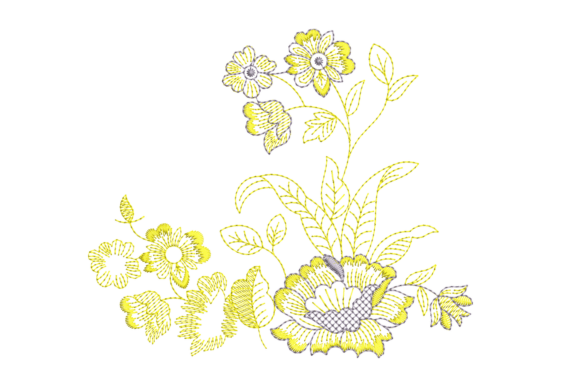
Digital Floral Embroidery Design: A Business Review
First Impressions: Professional Elegance for Commercial Use
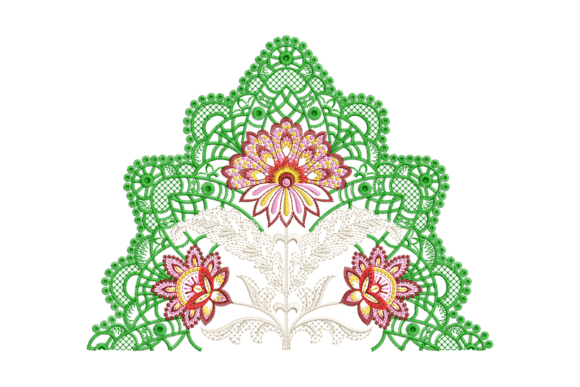
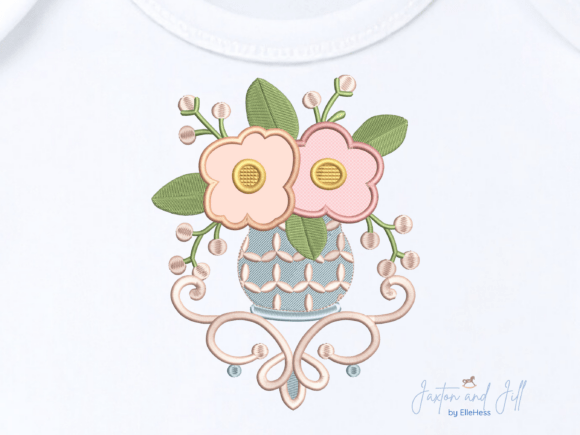
As an embroidery designer evaluating assets for small business merchandise, my first priority is determining whether a design can transition from a decorative concept to a viable commercial product. When reviewing the Digital Floral Embroidery Design, the immediate impression is one of clean, elegant professionalism. Unlike overly dense or chaotic botanical files that often plague the market, this design captures the beauty of blooming flowers with a refined aesthetic that suggests high-end craftsmanship. For a small business owner, this visual personality is crucial. It strikes a balance between friendly and premium, making it suitable for brands that want to appear approachable yet established.
The description notes "carefully crafted details," which signals to me that the digitizer has considered stitch flow and registration. In a commercial setting, this elegance translates directly to perceived value. Whether applied to a boutique’s shopping bags or a florist’s staff aprons, the design avoids looking like generic clip art. Instead, it presents as a deliberate brand identity marker. For Etsy sellers and handmade product creators, this level of polish helps justify higher price points by elevating the perceived quality of the finished goods.
Real-World Applications for Small Business Merchandise
A digital embroidery file is only as valuable as its versatility across different branded touchpoints. Based on the clean style of this Digital Floral Embroidery Design, I see strong potential for several specific business applications:
- Staff Uniforms and Apron Embroidery: The elegant floral motif works exceptionally well as a chest logo accent or pocket detail for cafes, bakeries, and creative studios. It adds a touch of warmth to uniforms without compromising professional standards.
- Tote Bag Design and Packaging: For retail businesses, reusable tote bags are walking billboards. This design’s clarity ensures it remains recognizable even when customers are carrying groceries or market finds. It also serves as a beautiful accent on fabric packaging or dust bags for jewelry and accessories.
- Embroidered Patches: Because the style is described as clean, this file is a prime candidate for creating standalone embroidered patches. These can be sold as add-on merchandise, used as loyalty rewards, or applied to caps and jackets where direct embroidery might be difficult due to seams or structure.
- Customer Gifts and Event Merch: For weddings, corporate retreats, or shop anniversaries, this floral theme offers universal appeal. It feels celebratory and thoughtful, making it ideal for limited-edition merch that fosters customer engagement and brand recall.
In each of these scenarios, the Digital Floral Embroidery Design functions as a core asset in your commercial embroidery toolkit, bridging the gap between artistic expression and functional branding.
Technical Considerations: Where to Exercise Caution
While the aesthetic is promising, experienced embroiderers know that beauty must survive production realities. There are specific environments where this Digital Floral Embroidery Design requires careful testing before full-scale deployment.
Cap Embroidery and Curved Surfaces
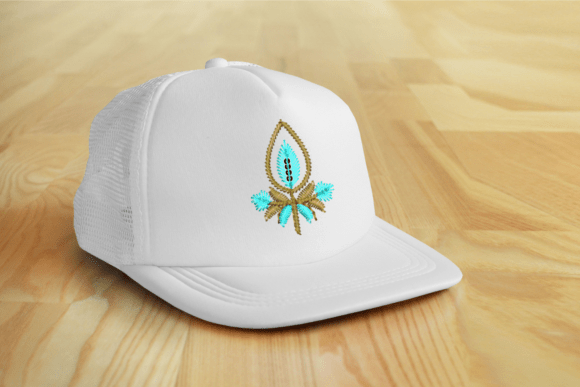
Floral designs with delicate details can sometimes distort on curved surfaces like cap fronts. If you intend to use this for hat branding, verify that the digitizing accounts for the push-pull distortion inherent in cap embroidery. You may need to adjust the hoop size or utilize a specialized cap stabilizer to maintain the integrity of the petals and leaves. Always run a test sew-out on the exact cap model you plan to use, as foam backing and structured crowns affect stitch placement significantly.
Small Patch Sizes and Tiny Lettering
If adapting this design for small patches or sleeve cuffs, be wary of shrinking the file below its intended minimum size. "Carefully crafted details" can turn into thread buildup or lost definition if reduced too aggressively. Check the original dimensions specified in the embroidery file metadata. If the design includes intricate shading or tiny text elements, they may need to be simplified or removed entirely for sizes under three inches to prevent needle breaks and poor coverage.
Fabric Texture and Washability
Elegant florals often rely on smooth satin stitches or fine fill patterns. On highly textured fabrics like terry cloth towels or coarse canvas aprons, these details can get lost. You will likely need a heavier water-soluble topping to keep the stitches visible above the fabric nap. Additionally, consider the end-use. If this design is going on work shirts or cafe aprons that face frequent industrial washing, ensure the stitch density is sufficient to withstand abrasion. Delicate, low-density artistic stitching may look beautiful initially but could degrade quickly in high-wear commercial environments.
Impact on Brand Identity and Customer Trust
Choosing the right machine embroidery design is ultimately a business decision about trust. When a customer sees a crisp, well-executed floral emblem on a product, they subconsciously attribute those qualities—precision, care, attention to detail—to the business itself. Conversely, a poorly registered or puckered design signals amateurism.
This Digital Floral Embroidery Design supports a cohesive visual language. Consistency across custom apparel, signage, and packaging builds recognition. For handmade brands, using a professionally digitized floral element reinforces the "handmade" narrative without looking messy. It tells the buyer that while the products are crafted with personal care, the business operations are professional and reliable. This subtle psychological cue increases buyer confidence and can improve conversion rates for both physical products and digital design assets.
Designer Notes: Pre-Production Checklist
Before loading this digital embroidery file into your machine for a client order or inventory run, follow this practical workflow to ensure success:
- Verify Specifications: Confirm the hoop size, stitch count, and recommended fabric types listed with the file. Do not assume compatibility with your specific equipment without checking these technical details first.
- Create a Printable Mockup: Before stitching, place the design in software to create a printable mockup at actual size. Compare it beside other brand assets to ensure scale and proportion match your existing identity.
- Test Thread Colors and Contrast: Stitch a sample in black and white first to evaluate contrast and depth without the distraction of color. Then, test your specific brand palette. Elegant florals can look muddy if thread colors lack sufficient differentiation.
- Select Proper Stabilizer: Match the stabilizer to your target substrate. Use cutaway for stretchy knits and tear-away for stable wovens. Never skip the test sew-out on the actual fabric texture you intend to use for the final product.
- Confirm Commercial Licensing: Crucially, review the license terms included with the Digital Floral Embroidery Design. Ensure you have the rights to use it for branded merchandise, resale items, or client work. Protecting your business legally is just as important as protecting your stitch quality.
- Inspect Spacing and Registration: After your test run, measure the alignment of outlines against fills. Even "clean" designs can shift if hooped incorrectly. Adjust tension or stabilization based on physical results, not screen previews.
By treating this Digital Floral Embroidery Design as a serious production asset rather than just a pretty picture, you maximize its return on investment. Whether you are outfitting a team, launching a new product line, or enhancing your Etsy shop’s branding, this design offers a sophisticated foundation for growth when executed with professional diligence.