Heart Embroidery Texture Digital Paper Review
As an embroidery designer preparing for a busy weekend craft fair, my selection process for booth inventory is ruthless. Every design must earn its place on the table, balancing aesthetic appeal with production efficiency and perceived value. When evaluating the Heart Embroidery Texture Digital Paper for upcoming market products, I am looking at more than just a pretty graphic; I am assessing a versatile asset that can bridge the gap between digital patterns and tangible handmade goods. This review breaks down how this specific texture performs in a real-world commercial embroidery and crafting environment, specifically for sellers targeting the modern handmade market.
First Impressions: Soft Romance Meets Modern Utility
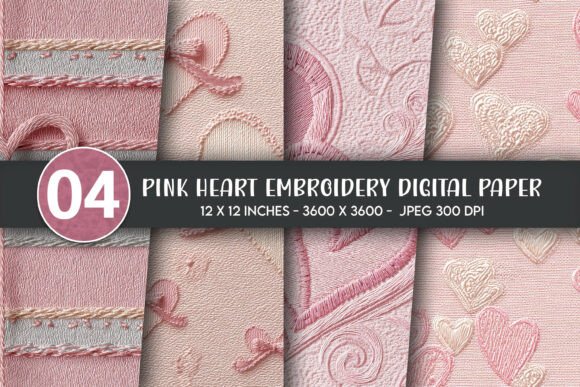
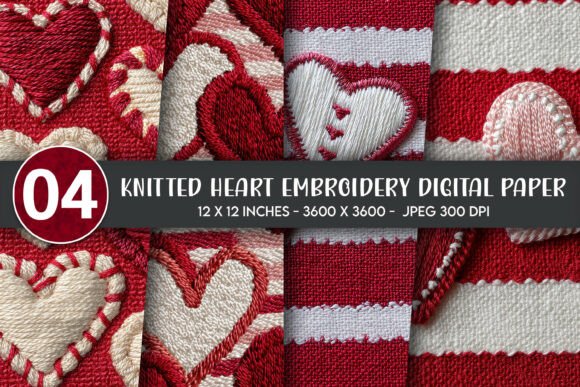
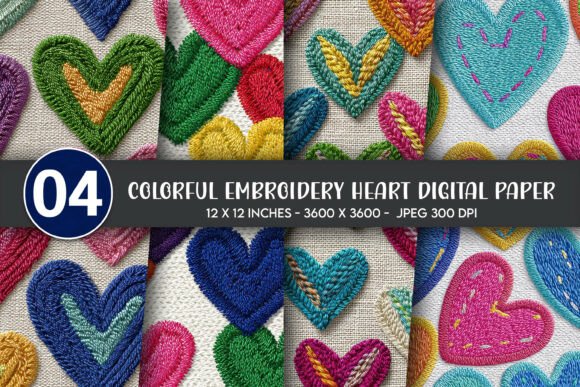
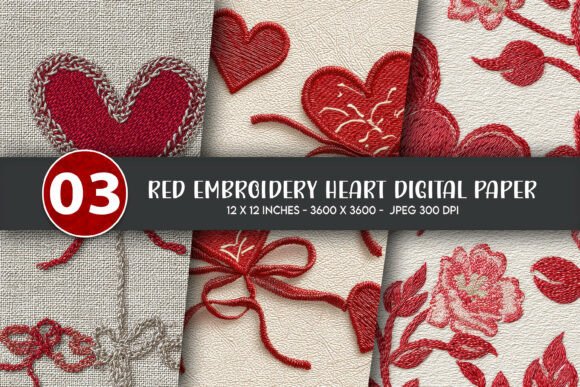
Upon opening the Heart Embroidery Texture Digital Paper, the immediate impression is one of soft, tactile elegance. Unlike flat vector heart graphics, this design captures the dimensional quality of actual thread work. For a craft fair booth, this is a significant advantage. Customers are drawn to items that look and feel handcrafted, even when produced using digital assets. The texture suggests a premium, boutique aesthetic rather than mass-produced clip art. It strikes a balance between farmhouse warmth and modern minimalism, making it suitable for a wide demographic ranging from young parents shopping for onesies to homeowners seeking unique wall decor.
The high-resolution nature of this digital paper means it holds up beautifully when scaled. As a designer, I appreciate that the stitch definition remains crisp whether applied as a small accent on a greeting card or blown up for a large poster. This versatility is crucial for Etsy sellers and small shop product lines where maintaining brand consistency across different mediums is essential for recognition and sales.
Booth Performance: Where This Design Sells Best
In a physical market setting, visual hierarchy dictates sales. Based on testing similar textured graphics, the Heart Embroidery Texture Digital Paper excels in specific categories. Here is how I would prioritize production for a weekend booth:
- Tote Bags and Market Bags: This is the top-tier application. The texture mimics the look of a complex tote bag design without the hours of actual stitching time if used as a print, or serves as a perfect guide for a machine embroidery design. On natural canvas, the heart texture adds depth that catches the eye from three feet away.
- Throw Pillows and Home Decor: For wall art and pillow covers, the digital paper functions as standalone art. Because it resembles embroidery, customers perceive higher value compared to standard prints. It works exceptionally well as a focal point on neutral linen fabrics.
- Greeting Cards and Stickers: These are excellent lower-price-point add-ons. The texture translates perfectly to paper goods, giving cards a luxurious, embossed appearance without special printing finishes.
- Apparel Accents: While suitable for t-shirts and onesies, I recommend using this as a chest placement or sleeve detail rather than a full-front print. The intimate scale of the heart texture feels more personal and high-end on garments.
Production Practicality and Batch Manufacturing
For commercial embroidery businesses and digital sellers, time is money. One of the strongest selling points of this Heart Embroidery Texture Digital Paper is its repeatability. The seamless nature of the texture allows for efficient batch production of printable mockups and finished goods. When listing on Etsy, being able to quickly generate consistent product photos using this digital asset helps maintain a cohesive shop aesthetic.
However, practical application requires understanding the difference between the digital graphic and the physical execution. If you are using this file to create a physical embroidered patch or apron embroidery, treat the digital paper as a visual reference for stitch density and texture direction. If you are printing directly onto fabric for tea towels or mugs, ensure your printer settings are calibrated to capture the subtle shadows that give the hearts their 3D effect. Flat printing will ruin the illusion of embroidery.
Critical Use Notes for Crafters and Designers
While this digital paper is versatile, there are technical considerations to ensure the final handmade product meets professional standards. Attention to detail separates hobbyists from profitable business owners.
Fabric Texture and Contrast
The success of this design relies heavily on the substrate. On smooth cotton or poly-canvas, the heart texture pops. On highly textured fabrics like waffle weave tea towel embroidery blanks or rough burlap, the digital texture may compete with the physical fabric grain. Always test print or stitch on a scrap piece first. Additionally, consider contrast carefully. White-on-white offers a subtle, tone-on-tone luxury look, but requires excellent lighting to photograph well for online listings. Dark fabric backgrounds make the heart texture appear more vibrant but may require adjusting the digital file’s brightness before printing.
Scaling and Detail Integrity
Although described as high-resolution, every digital asset has a breaking point. When resizing for small items like stickers or cap logos, verify that the individual "stitch" elements within the texture do not blur into mud. If converting this graphic into an actual digital embroidery file, be wary of tiny details. What looks like delicate texture on screen may become dense, bulletproof stitching on a machine. Always check your hoop size and adjust thread colors to match the digital rendering as closely as possible to maintain the intended aesthetic.
Enhancing Perceived Value and Customer Engagement
In the handmade market, customers buy stories and feelings as much as objects. The Heart Embroidery Texture Digital Paper leverages the psychological association of needlework—care, tradition, and warmth. By utilizing this graphic, you are tapping into that emotional connection even if the final product is digitally printed. This increases the perceived value of items like mugs and posters, allowing for better profit margins.
For booth displays, use this design to create unified signage and price tags. When your branding materials share the same visual language as your products, it creates a professional, immersive shopping experience. Buyers engage longer with tables that look curated. Using this texture across your design assets ensures that whether a customer sees your Instagram post, your Etsy banner, or your physical tablecloth, they instantly recognize your brand.
Designer Checklist Before Production
Before committing this design to a full production run for your next craft fair, complete this essential checklist to avoid costly mistakes:
- Verify Licensing: Confirm the specific commercial license terms for the Heart Embroidery Texture Digital Paper. Ensure you are permitted to sell both physical products and digital derivatives if that is your business model.
- Create Physical Mockups: Do not rely solely on digital previews. Print or stitch at least one sample on your intended fabric texture to check color accuracy and scale.
- Check Stabilizer Requirements: If using this as a guide for actual machine embroidery, determine the correct stabilizer weight. Textured designs often require heavier support to prevent puckering.
- Test Photograph Lighting: Take photos of your sample in natural light. Does the texture read clearly on camera? Adjust editing to enhance the dimensional feel without oversaturating.
- Review Spacing and Placement: For apparel like onesies and t-shirts, measure carefully. A centered heart texture looks different on a curved surface versus a flat lay.
Ultimately, the Heart Embroidery Texture Digital Paper is a powerful tool for creative entrepreneurs. It offers the charm of traditional needlework with the efficiency of modern digital design. By applying these practical insights and respecting the technical nuances of production, you can transform this digital asset into best-selling craft fair products that resonate with buyers and elevate your handmade brand.