Knitted Embroidery Floral Digital Paper Review
As an embroidery designer preparing for a busy weekend craft fair, my selection process for new inventory is rigorous. I am not just looking for pretty graphics; I am hunting for craft fair product potential that translates from screen to stitch without losing integrity. When evaluating the Knitted Embroidery Floral Digital Paper for my upcoming market booth, I approached it with a critical eye toward production efficiency, visual impact at a distance, and perceived value. This review breaks down how this specific digital asset performs when adapted into tangible, handmade goods for discerning customers.
First Impressions: Texture Meets Botanical Elegance
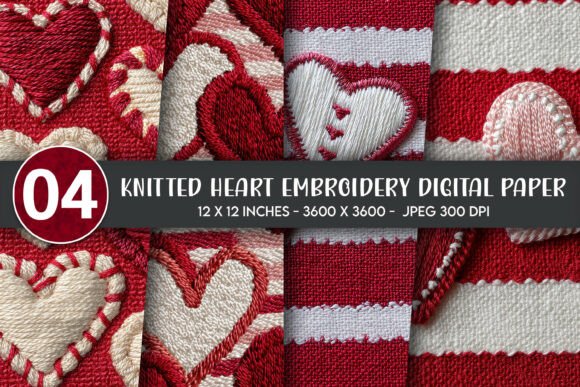
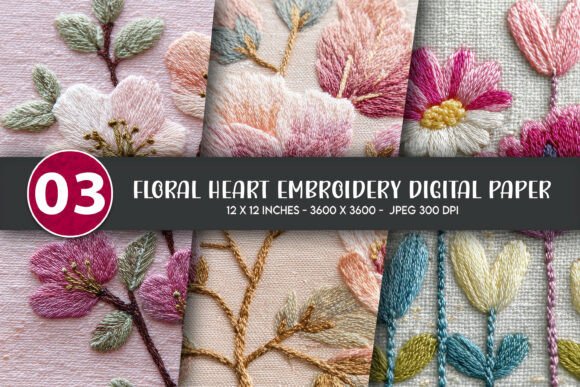
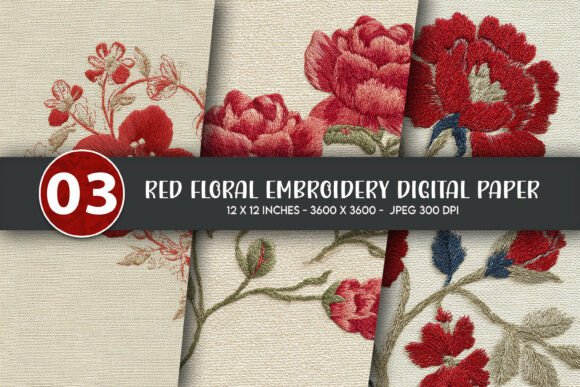
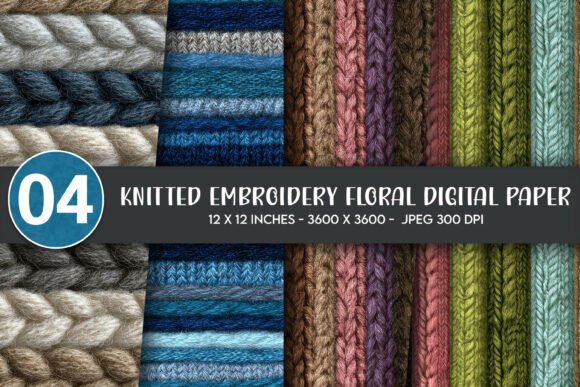
The immediate appeal of Knitted Embroidery Floral Digital Paper lies in its unique hybrid aesthetic. It bridges the gap between traditional needlework and modern digital design. Upon first inspection, the patterns evoke a sense of cozy sophistication rather than generic clip art. The "knitted" texture implied in the title suggests a depth that flat vector graphics often lack. For a booth display, this is crucial. Customers browsing from three feet away need to see dimension. This design feels premium and tactile even before a single needle penetrates fabric.
From a stylistic perspective, this collection leans towards a soft, rustic elegance that fits perfectly within current farmhouse and cottagecore trends. However, it avoids being overly cutesy, making it versatile enough for adult apparel and home decor. As an Etsy seller or boutique maker, you want assets that signal quality. This digital paper succeeds because it mimics the irregularities and warmth of hand-stitched work, giving your finished items an authentic artisan feel that mass-produced textiles cannot replicate.
Booth Performance: Where This Design Sells Best
In a real-world market scenario, table space is limited, and every item must earn its keep. Based on the high-resolution nature of these graphics and their floral composition, I have identified specific winners for booth sales.
Tote Bags and Market Shoppers
This is arguably the strongest application for Knitted Embroidery Floral Digital Paper. Totes are high-traffic items at craft fairs. The floral motifs serve as excellent tote bag design centerpieces. Because the digital paper offers high resolution, you can scale the flowers to fill a 5x7 hoop without pixelation or jagged edges during digitizing. On natural canvas or linen, the knitted texture effect creates a beautiful contrast against the woven fabric grain. These bags photograph exceptionally well for social media teasers before the event, driving pre-show interest.
Tea Towels and Kitchen Linens
Tea towel embroidery requires designs that withstand washing and maintain clarity on textured surfaces. The density inherent in a "knitted" style graphic provides excellent coverage on flour sack towels. Unlike sparse line-art florals that might get lost in the weave of a tea towel, these fuller patterns anchor the eye. They make perfect giftable sets. I recommend pairing them with coordinating ribbon or leather tags to elevate the perceived value beyond a simple kitchen utility item.
Patches and Small Accessories
For impulse buys, consider using elements of this digital paper to create an embroidered patch. The floral clusters can be isolated and digitized with merrowed edges. Patches allow you to utilize smaller scraps of stabilizer and fabric, reducing waste. They also serve as add-on sales at the register. Furthermore, the intricate details in these graphics translate beautifully to throw pillows, where the viewer is close enough to appreciate the simulated stitch texture.
Production Reality: Stitch Density and Fabric Choices
While the visual potential is high, practical production requires careful planning. A digital embroidery file derived from textured digital paper behaves differently than standard vector art. Here is what you must consider before batching production for your shop.
- Stitch Density Management: Designs mimicking knit textures are inherently dense. If you are embroidering on lightweight fabrics like onesies or thin t-shirts, you risk puckering or fabric distortion. Always test on scrap material first. You may need to reduce density by 10-15% in your software or use a heavier weight stabilizer combination (such as cutaway plus topping) to support the stitch count.
- Fabric Texture Interaction: Avoid using this design on highly textured terry cloth or plush fabrics unless you use a heavy water-soluble topping. The "knitted" detail of the design will compete with the pile of the fabric, resulting in a muddy appearance. Smooth cottons, linens, and denim are ideal canvases.
- Hoop Size Verification: Before committing to a large run of aprons or wall hangings, confirm your hoop size capabilities. High-resolution florals often require larger fields to maintain detail. Shrinking a complex knitted texture too small will cause thread breaks and loss of definition.
- Thread Color Selection: The success of this machine embroidery design relies heavily on color blending. Flat colors will make the knitted effect disappear. Plan to use variegated threads or multiple shade changes to replicate the dimensional look promised by the digital paper title.
Commercial Viability and Brand Consistency
For creative entrepreneurs, consistency builds brand recognition. Knitted Embroidery Floral Digital Paper offers a cohesive theme that can tie together disparate products. Imagine a booth where the apron embroidery, matching oven mitts, and greeting cards all share the same botanical language. This visual harmony encourages customers to buy multiples.
Furthermore, as a small shop product, versatility is key to ROI. Since this asset is suitable for wall decor, posters, and stickers as well as textiles, you can diversify your income streams without learning new design styles. Use the high-resolution files to print physical greeting cards or wall art for the non-textile section of your booth, while using the same motifs for your premium embroidered goods. This maximizes the utility of a single purchase.
However, a vital note on licensing: Always verify the commercial terms included with your specific download. While the description mentions suitability for various products, ensure your license covers commercial embroidery for physical resale versus just digital end-products. Protecting your business means respecting intellectual property boundaries.
Designer’s Checklist for Success
Before listing any item made with Knitted Embroidery Floral Digital Paper, run through this professional checklist to ensure quality control:
- Create a Physical Mockup: Do not rely solely on a printable mockup for your Etsy listings. The knitted texture needs to be seen in real thread to accurately represent the final product to buyers.
- Test Contrast: Check thread colors against dark fabrics. Intricate knitted textures often vanish on black or navy unless outlined or highlighted with metallic or lighter accent threads.
- Review Spacing: Ensure adequate spacing between floral elements if you are combining motifs. Crowded designs increase stitch time and thread usage, cutting into profit margins.
- Inspect Stabilizer Pairing: Match your backing to the fabric weight. A design this detailed usually demands a stable foundation to prevent registration shifts during the long stitch-out times associated with textured fills.
- Validate Resolution: Zoom in to 400% before digitizing. If the edges of the knitted pattern appear blurry or pixelated at this magnification, it may not yield a crisp finished product. Only proceed with clean, sharp source files.
Ultimately, Knitted Embroidery Floral Digital Paper represents a strong opportunity for makers who understand the interplay between digital aesthetics and physical craftsmanship. It offers the warmth of traditional knitting with the precision of modern embroidery. By respecting the technical requirements of dense textures and leveraging the design's inherent versatility across tote bags, home decor, and accessories, you can create a compelling, profitable collection for your next craft fair or online launch. Treat this digital asset not just as a picture, but as a blueprint for texture, and your customers will feel the difference in every stitch.