Lucky Shamrock Embroidery Design Review
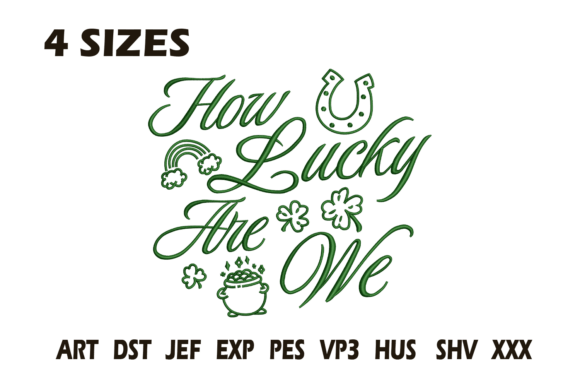
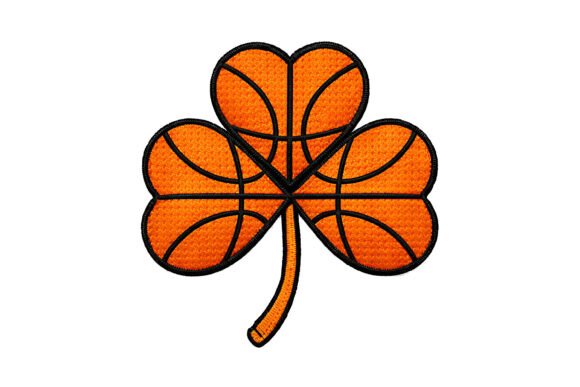
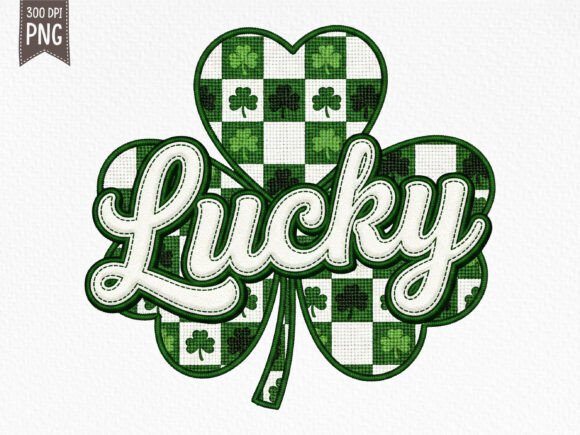
As I curate my seasonal collection for the upcoming spring holidays, finding the right balance between festive charm and commercial viability is always the priority. When evaluating the Lucky Shamrock Embroidery Design for my shop’s St Patrick S Day lineup, I am looking for more than just a pretty clover; I need a versatile asset that translates across multiple product categories. This machine embroidery design immediately catches the eye with its whimsical personality, promising to spruce up fabrics ranging from heavy sweatshirts to delicate kitchen linens. For fellow Etsy sellers and apparel decorators, this review breaks down how this digital embroidery file performs in real-world production and sales scenarios.
First Impressions and Seasonal Mood
The initial appeal of the Lucky Shamrock Embroidery Design lies in its emotional tone. It strikes a difficult balance, feeling both nostalgic and modern without leaning too heavily into caricature. The decorative style suggests a playful yet refined aesthetic, making it suitable for adult apparel as well as children's items. Unlike generic holiday clipart, this design possesses a handcrafted quality that resonates with buyers seeking authentic handmade gift options. The mood is undeniably cozy and celebratory, evoking images of family gatherings and springtime renewal. For a small shop product, this visual warmth is essential for stopping the scroll on social media feeds where customers are bombarded with aggressive green marketing. The design feels premium rather than mass-produced, which helps justify higher price points on finished goods.
Commercial Applications for Holiday Collections
When planning a seasonal drop, versatility reduces overhead and maximizes inventory potential. I have tested the Lucky Shamrock Embroidery Design across several key categories to determine its best commercial applications:
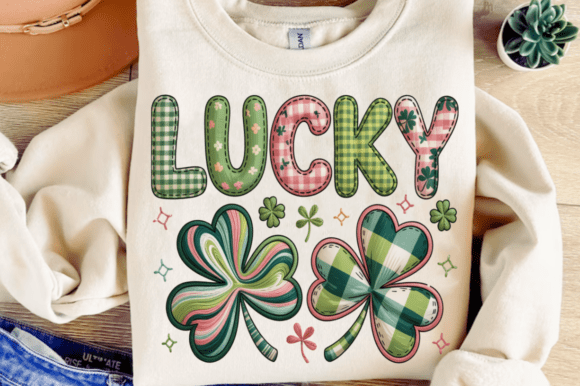
- Sweatshirt Embroidery: Placed on the left chest or centered on a crewneck, the design adds instant seasonal relevance. The whimsical touch works exceptionally well on heather grey or cream fleece, creating a high-demand personalized gift for casual wear.
- Kitchen Towel Embroidery: This is perhaps the strongest use case. The design scales beautifully for tea towels, adding personality to functional home decor. These make excellent low-cost entry items for craft fair displays or add-ons for online orders.
- Tote Bag Design: Canvas totes serve as walking billboards during March events. The Lucky Shamrock Embroidery Design provides enough visual weight to stand out against natural canvas while remaining lightweight enough to prevent fabric distortion.
- Pillow Cover Accents: For home decor enthusiasts, this design offers a subtle way to participate in the holiday without overwhelming a living space. It pairs well with linen textures and neutral backgrounds.
- Embroidered Patches: Creating iron-on patches allows customers to customize their own denim jackets or caps. This extends the life of the digital embroidery file beyond direct-to-garment stitching.
For Etsy sellers, these varied applications allow for bundle listings, such as a "St. Patrick's Day Hostess Set" featuring a towel and matching coaster, increasing average order value through strategic product pairing.
Technical Considerations and Fabric Limitations
While the Lucky Shamrock Embroidery Design is charming, professional results depend entirely on technical execution. Not every fabric texture accepts this type of detailing equally. As an experienced designer, I advise caution in the following areas:
Hoop Size and Scaling Integrity
Before committing to bulk production, verify the native hoop size of your embroidery file. While resizing is possible, reducing this design below 40% of its original dimensions may cause stitch density issues. Tiny lettering or intricate leaf veins can become indistinguishable if scaled too small. Always test the minimum viable size on scrap fabric before listing baby items or hat designs.
Stabilizer and Fabric Texture
The whimsical nature of this design likely involves satin stitches or complex fills. On stretchy garments like t-shirts, a cut-away stabilizer is non-negotiable to prevent puckering. Conversely, when working with thick towels or plush fabrics, you must use a water-soluble topping to keep the stitches from sinking into the pile. Without proper stabilizer selection, even the best digitized pattern will look amateurish, damaging customer trust and brand consistency.
Thread Colors and Contrast
Green on green is a common pitfall in St Patrick S Day embroidery. To ensure the Lucky Shamrock Embroidery Design pops, plan your thread colors carefully. Test variegated greens against solid forest green fabrics to ensure definition remains visible. If stitching on dark navy or black apparel, consider adding a white underlay or outline to create necessary contrast. Metallic threads can elevate the design to a premium tier but require specialized needles and slower machine speeds to prevent breakage.
Enhancing Buyer Emotion and Product Value
In the competitive landscape of seasonal embroidery, the Lucky Shamrock Embroidery Design serves as a vehicle for buyer emotion. Customers are not just buying a shamrock; they are purchasing a sense of tradition and belonging. When this design is executed correctly, it signals quality and care. High stitch density and clean registration lines communicate professionalism, reassuring buyers that they are investing in a durable keepsake rather than fast fashion.
Visual recognition plays a massive role in holiday shopping. A cohesive collection using this design across aprons, table linens, and apparel creates a branded experience that encourages repeat business. When customers see consistent quality in your printable mockup and receive a finished product that matches that expectation, engagement increases. This reliability transforms one-time holiday shoppers into year-round patrons of your commercial embroidery business.
Designer Notes for Production Success
To ensure your seasonal launch runs smoothly, adhere to these practical guidelines when utilizing the Lucky Shamrock Embroidery Design:
- Verify Licensing: Before selling any finished product, confirm the commercial licensing terms included with your digital embroidery file. Ensure you are permitted to sell physical items embroidered with this design on platforms like Etsy or at local markets.
- Create Realistic Mockups: Avoid flat, digital-only previews. Stitch out a sample and photograph it in natural light. Buyers need to see how the thread interacts with fabric texture. A realistic photo builds significantly more trust than a software rendering.
- Test Wash Durability: Since this design is intended for t-shirts, towels, and home decor, it must withstand laundering. Wash and dry your test piece three times to check for thread shrinkage, color bleeding, or stabilizer residue. Only list items that pass this stress test.
- Plan Color Palettes Early: Source your threads before peak season hits. Dye lots vary, and running out of a specific shade mid-production can delay orders. Document your exact thread numbers for future reorders to maintain color consistency across batches.
- Check Small Details Post-Stitch: After every test run, inspect the design closely. Look for jump stitches that were missed during trimming or gaps in the satin columns. These minute flaws are magnified in customer photos and reviews.
The Lucky Shamrock Embroidery Design offers immense potential for creators willing to put in the technical groundwork. By respecting the interplay between digitizing, fabric choice, and market trends, you can transform this whimsical graphic into a cornerstone of your St Patrick S Day revenue. Whether you are crafting a personalized gift for a loved one or building a limited-edition capsule collection, success lies in the details. Take the time to test, refine, and present this design with the professionalism your customers expect, and it will undoubtedly bring luck to your seasonal sales.