Baby Chick Embroidery: A Designer’s Practical Review
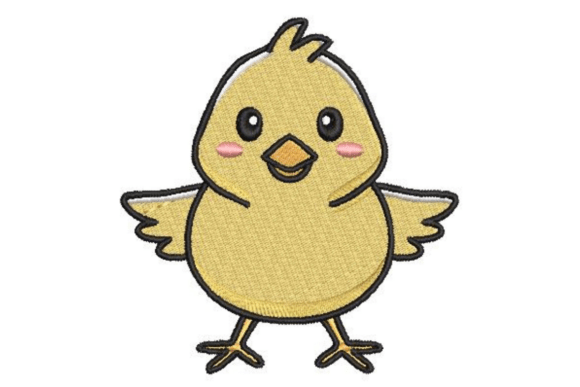
When evaluating a new machine embroidery design for my shop, I look past the digital preview and imagine the needle hitting fabric. The Baby Chick Embroidery design immediately caught my attention not just because it fits the popular Baby Animals category, but because of its specific emotional resonance. This motif features a bright yellow chick with wings happily spread and sweet blush details, creating an instant sense of warmth and joy. As a designer who creates both custom apparel and nursery goods, I see this as more than a cute graphic; it is a versatile asset that can elevate a handmade product from generic to memorable. However, translating that cheerful digital image into a tangible finished product requires understanding how those open wings and delicate facial features will behave on real textiles.
Stitching Sunshine: Real-World Application on Apparel
I recently tested this embroidery file for a client requesting a spring-themed sweatshirt embroidery project for a toddler’s birthday gift. The goal was to create a personalized gift that felt boutique-quality rather than mass-produced. The layout of the Baby Chick Embroidery is particularly effective here because the spread wings create a natural horizontal anchor point. On a sweatshirt, this prevents the design from looking like a floating sticker and instead integrates it into the garment's architecture.
During the test stitch-out on French terry cloth, I paid close attention to the transition between the body and the wings. If you are using this for baby embroidery, the texture matters immensely. The design likely utilizes a combination of fill stitch for the main body and potentially satin stitch or detailed running stitch for the blush and wing feathers. On a textured fabric like terry, the stitch density must be sufficient to prevent the fabric grain from showing through the yellow thread, which can muddy the brightness. I found that pairing this design with a soft, matte rayon thread enhanced the "sunshine" effect described in the product details, whereas a high-sheen polyester sometimes made the chick look too plastic against the cozy cotton base. For Etsy sellers or small shop product creators, this distinction defines whether the item reads as premium or budget.
Navigating Fabric Challenges and Hoop Limitations
While the cheerful aesthetic is universal, the technical execution of Baby Chick Embroidery demands respect for material limitations. The wide wingspan is the design’s greatest visual strength but also its primary constraint regarding hoop size. Before committing to a production run of tote bag designs or aprons, you must verify the exact dimensions of the digital embroidery file. If you attempt to shrink this design significantly to fit a smaller hoop or a pocket placement, the definition in the wings and the subtlety of the blush may be lost. Tiny details often turn into thread blobs when scaled down below their intended threshold.
Fabric choice is equally critical. I advise caution when applying this embroidery project to highly stretchy knits without proper preparation. The lateral movement of the spread wings can cause tunneling if the stabilizer is inadequate. For a lightweight onesie or summer tee, use a cut-away stabilizer to support the stitch weight and maintain the shape of the chick after washing. Conversely, on structured items like caps or canvas bags, ensure your machine’s tension is balanced; the contrast between the bright yellow body and darker outline stitches needs to be crisp. If you are producing commercial embroidery for sale, always wash-test your sample. The blush details, being lighter or pinker tones, can sometimes get buried by surrounding stitches during laundering if the density isn't optimized for durability.
Commercial Viability for Makers and Sellers
For creative entrepreneurs, the value of an embroidery file lies in its versatility across different revenue streams. Baby Chick Embroidery serves as an excellent anchor for seasonal collections. Beyond standard baby gear, consider how this motif translates to home decor. It works beautifully as a centerpiece for nursery pillow covers or as a repeating element on kitchen tea towels. When listing these items, high-quality photography is essential. I recommend creating a printable mockup or photographing the actual stitched sample on neutral backgrounds to showcase the true thread colors. Digital previews can be deceiving; customers trust sellers who show the physical stitch texture.
If you plan to use this as part of your design assets for mixed-media products, consider combining it with simple text. The open space above or below the chick allows for personalization without overcrowding. However, maintain adequate negative space. A common mistake in holiday embroidery or spring merchandise is adding too many elements around an already detailed center. Let the Baby Chick Embroidery breathe. This restraint signals professionalism and increases the perceived value of your craft business offerings. Whether you are selling the physical embroidered patch, the finished garment, or the digital file itself (if licensed), clarity and focus drive buyer engagement.
Essential Pre-Stitch Checklist for Success
To ensure your experience with this design matches its cheerful promise, follow these practical steps before starting any commercial or gift project:
- Verify Specifications: Always check the included documentation for exact stitch count, recommended hoop size, and color sequence. Do not assume compatibility based solely on the thumbnail image.
- Test on Target Fabric: Never skip the test stitch. Use a scrap of the exact material you intend to sell or gift. Check if the fabric texture interferes with fine details like the eyes or blush.
- Assess Stabilizer Needs: Match your backing to the fabric weight. Stretchy knits require cut-away; woven cottons may suffice with tear-away. Proper stabilization preserves the integrity of the spread wings.
- Review Thread Contrast: Ensure the yellow body stands out against your chosen fabric. Test on both light and dark backgrounds. You may need to adjust underlay or add a white base layer for dark garments to maintain vibrancy.
- Confirm Licensing: If you are an Etsy seller or maker, double-check the license terms. Confirm whether you can sell finished items, use the design in printable mockups, or resell the digital embroidery file itself.
- Evaluate Small Details: Inspect the blush and wing tips after stitching. If they lack definition at your desired size, consider resizing up or choosing a simpler variation for small placements.
Final Thoughts on Design Integrity
The Baby Chick Embroidery design offers a wonderful opportunity to bring genuine delight to your work, provided it is treated with technical care. Its success in a real-world setting depends less on the digital artistry alone and more on your judgment as a maker. By respecting the interplay between stitch density, fabric choice, and appropriate scaling, you transform a simple bird motif into a professional-grade asset. Whether you are crafting a cherished personalized gift for a newborn or building a cohesive spring collection for your small shop product line, this design has the potential to shine. Just remember that in embroidery, patience in preparation yields the brightest results. Take the time to understand the file, honor the materials, and let the quality of your craftsmanship amplify the inherent cheerfulness of the design.