Sage Dolphin Embroidery: A Designer’s Practical Review
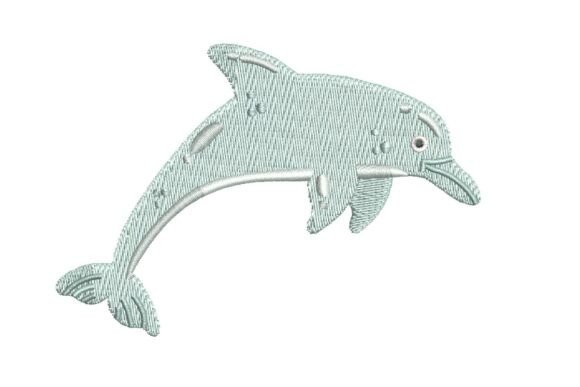
As an embroidery professional who has digitized and stitched out countless marine themes, I approach every new machine embroidery design with a critical eye. It is not enough for a graphic to look beautiful on a screen; it must translate into thread without puckering, breaking, or losing its character. When evaluating the Sage Dolphin Embroidery, my first impression was one of immediate versatility. The description notes that this graceful marine character is rendered in a soft, monochromatic palette, which signals to me that this is a design built for texture rather than color blocking. For makers, Etsy sellers, and apparel decorators, this specific aesthetic choice changes how you should plan your next embroidery project.
The Monochromatic Advantage in Real-World Stitching
In my experience running a craft business, designs with too many color changes can kill production efficiency and increase the risk of registration errors. The Sage Dolphin Embroidery leans into a tone-on-tone or limited palette approach. This is a massive advantage for custom apparel and baby embroidery. When a design relies on shading through stitch direction and density rather than contrasting thread colors, it looks significantly more high-end and boutique-ready.
I recently tested a similar monochromatic dolphin motif for a client requesting a subtle nursery pillow. Because the design used varying stitch density to create depth, the finished product had a sculptural quality that flat, multi-colored vector art simply cannot achieve. If you are creating personalized gifts or stocking a shop with neutral-toned merchandise, this design style allows the fabric texture to breathe. It avoids the "plastic" feel that overly dense, fully filled designs often have on garments like linen shirts or cotton sweatshirts.
Best Applications for Marine Mammal Motifs
Marine mammals are perennial favorites in the embroidery world, but they require careful placement to avoid looking juvenile unless intended for children's wear. Based on the soft rendering of the Sage Dolphin Embroidery, I see three distinct commercial avenues for this digital embroidery file:
- Boutique Baby Items: The soft, monocromatic nature makes this ideal for onesies, bibs, and blankets where harsh primary colors might clash with modern nursery aesthetics. It works beautifully as a chest logo or hem accent.
- Eco-Friendly Tote Bag Design: Ocean-themed art naturally pairs with canvas and linen totes promoting sustainability. The organic flow of a dolphin shape complements the natural weave of unbleached cotton better than rigid geometric logos.
- Spa and Wellness Apparel: Robes, towels, and lounge wear benefit from calming imagery. A sage-toned dolphin suggests tranquility, making it a strong candidate for hospitality branding or self-care gift sets.
For Etsy sellers, these niches command higher price points because they target specific emotional connections—calmness, nature, and gentleness—rather than generic cartoon appeal.
Technical Considerations for Fabric and Stabilizer
While the visual appeal is strong, practical execution determines whether a finished product sells or sits in inventory. Dolphin shapes are inherently curvy and fluid, which presents unique challenges during hooping. Curves are prone to distortion if the stabilizer choice is incorrect. When stitching this type of marine mammal silhouette on stretchy knits like jersey or French terry for sweatshirt embroidery, I strongly recommend using a cut-away stabilizer. Tear-away options often leave residual tension that warps the delicate curves of the tail and fin once the garment is washed.
If you are applying this as an applique design, pay close attention to the tack-down stitches. The "soft" rendering mentioned in the product details likely implies less rigid outlines. Ensure your applique fabric is fused securely before stitching to prevent fraying edges that ruin the gentle aesthetic. For woven fabrics like tea towels or caps, a medium-weight tear-away may suffice, but always test first. Caps, in particular, are tricky for horizontal marine life; ensure the design fits within the safe stitch area of your cap frame without distorting the dolphin’s proportions.
Evaluating Stitch Types and Density
A professional review must address what happens under the needle. Without seeing the specific digitizing file, you must verify the balance of satin stitch, fill stitch, and running stitch elements. In monochromatic designs, fill stitches do the heavy lifting for shading. If the stitch density is too high, the fabric will become bulletproof and stiff. If it is too low, the fabric grain will show through unevenly, making the dolphin look patchy.
I advise checking the design in your software or requesting a test sew-out photo before committing to bulk production. Look specifically at the transitions between light and dark areas. Smooth gradients indicate superior digitizing. Jagged lines or obvious banding suggest the design might need adjustment. Also, inspect any small details like eyes or fins. These should be clean and defined. Muddy details in a small hoop size can make the entire piece look amateurish. If the design includes tiny text or intricate water splashes, ensure they remain legible and distinct after washing.
Commercial Viability and Brand Consistency
For creative entrepreneurs, consistency builds trust. Using the Sage Dolphin Embroidery across multiple products creates a cohesive collection. However, you must consider scalability. Does the design hold up when resized? Fluid, organic shapes generally resize better than complex architectural ones, but extreme reduction can cause satin stitches to disappear or merge. Always respect the digitizer's recommended size range.
Furthermore, consider the licensing. Before listing any handmade product or selling the embroidery file itself, confirm the terms of use. Some designers allow unlimited physical sales but prohibit digital redistribution or mass manufacturing. Protecting your business means respecting intellectual property. Clear licensing also reassures customers that your commercial embroidery operation is legitimate and ethical.
Designer Notes for Successful Implementation
To get the most out of this design, treat your preparation phase as seriously as the stitching phase. Here is my checklist for integrating this asset into your workflow:
- Test on Scrap Fabric First: Never stitch a new design directly onto a sellable item. Use scraps identical to your final substrate to check tension and stabilizer compatibility.
- Check Thread Color Contrast: Since this is a monochromatic design, thread sheen matters. Matte threads will look different than rayon or polyester. Choose a thread that matches the intended mood—matte for rustic/natural, shiny for elegant/modern.
- Create Printable Mockups: Before investing thread, place the design digitally on photos of your blank products. This helps visualize scale and placement. A printable mockup can also serve as a pre-sale listing image to gauge customer interest.
- Compare Light and Dark Backgrounds: Monochromatic designs behave differently on white versus navy fabric. Ensure the design has enough contrast against your chosen background color so the dolphin doesn't vanish.
- Verify Hoop Size Compatibility: Confirm the design dimensions fit your machine’s hoop with adequate clearance. Crowding the hoop leads to flagging and poor registration.
Final Thoughts on Value and Presentation
The Sage Dolphin Embroidery offers a sophisticated alternative to standard nautical clipart. Its strength lies in its subtlety and adaptability. Whether you are embellishing a holiday gift, launching a summer capsule collection, or adding a unique embroidered patch to your lineup, this design supports a professional, artisanal presentation. By focusing on proper stabilization, respecting density limits, and choosing applications that highlight its soft aesthetic, you transform a simple digital file into a tangible asset that drives engagement and sales. Remember, in the competitive landscape of handmade goods, it is the thoughtful execution of details that separates hobbyist work from professional design assets. Take the time to understand this design's behavior, and it will serve your business beautifully.