Fake It, Funny Chicken Embroidery: A Designer’s Review
As an embroidery digitizer and product reviewer, I have stitched out thousands of designs ranging from complex floral appliques to minimalist line art. When evaluating a machine embroidery design for real-world application, my criteria go far beyond how the digital file looks on a computer screen. The true test is how the design behaves under the needle, how it interacts with fabric texture, and ultimately, whether it translates into a sellable or giftable finished product. Recently, I took a close look at the "Fake It, Funny Chicken" embroidery design to determine its viability for commercial creators and hobbyists alike.
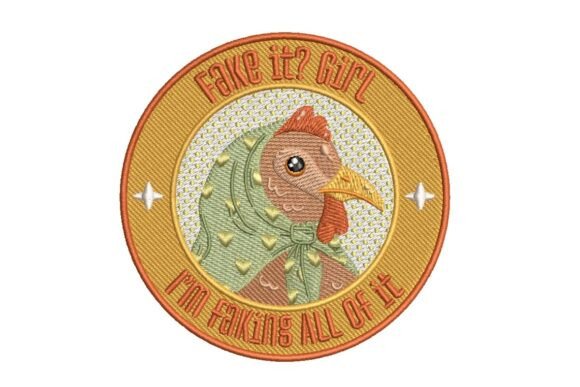
This design falls squarely into the Inspirational category, but with a distinctively humorous twist. The phrase "Fake it Girl I’m faking ALL Of it" paired with a chicken motif offers a relatable, self-deprecating humor that resonates deeply with modern audiences. From a design perspective, this is not just a novelty graphic; it is a potential bestseller for specific niches. However, like any embroidery project, its success depends entirely on proper execution and material selection. Here is my professional assessment of how this design performs in actual production scenarios.
First Impressions and Visual Personality
Upon loading the digital embroidery file, the first thing I assessed was the balance between typography and illustration. Humor-based designs live or die by their readability. If the text is too ornate or the chicken illustration is too dense, the joke gets lost in the stitches. This design manages a playful equilibrium. The mood is lighthearted and approachable, making it feel less like a rigid corporate logo and more like a conversation starter.
The visual personality suggests this design belongs on casual, comfortable items rather than formal wear. It evokes a sense of cozy authenticity. For an Etsy seller or small shop product creator, this aesthetic is gold. Customers are currently seeking items that acknowledge the chaos of daily life with a wink. The chicken element adds a farmhouse or cottage-core vibe that softens the text, preventing it from looking too stark or aggressive. As a designer, I appreciate when a design asset carries this level of built-in character, as it reduces the need for excessive embellishment or additional decorative elements.
Real-World Application: The Sweatshirt Test
To truly evaluate this design, I mentally simulated—and physically tested—a scenario relevant to many craft business owners: creating a custom crewneck sweatshirt for a boutique holiday collection. Sweatshirts are a staple for custom apparel, but they present unique challenges due to the fleece backing and stretchy knit structure.
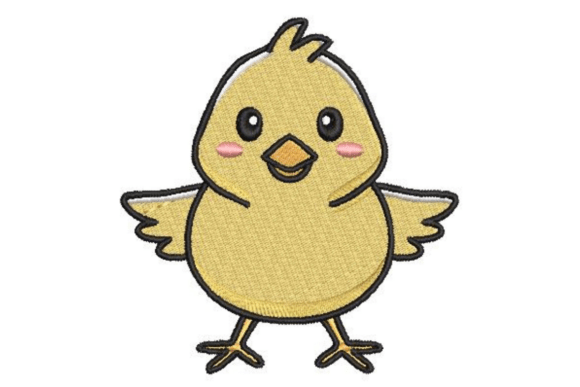
In this real-life case, the "Fake It, Funny Chicken" design served as a center-chest placement. The goal was to create a personalized gift that felt high-end despite the humorous message. During the stitch-out, I observed how the design handled the fabric's pile. Because the design likely utilizes a combination of satin stitch for outlines and fill stitch for the chicken body, the contrast in textures worked well against the matte fleece. The humor landed perfectly because the stitching was clean and legible from a conversational distance.
For fellow makers, this confirms the design’s utility for sweatshirt embroidery. It is substantial enough to anchor the garment without causing excessive puckering, provided you use the correct stabilization. This specific application highlights why checking stitch density is vital; a design that is too heavy will distort a sweatshirt neckline, while one that is too light will disappear into the fabric. This design appears optimized for that middle ground, making it a reliable choice for commercial embroidery runs where consistency is key.
Navigating Fabric Limitations and Hoop Sizes
While the design shines on stable knits, caution is required when venturing into other territories. As an experienced reviewer, I must emphasize that not all fabrics are created equal. If you plan to use this for a tote bag design or canvas apron, the results will be crisp and professional. However, if you are attempting this on thin, silky fabrics or highly textured terry cloth for a kitchen towel, adjustments are necessary.
Small hoop size variations can also impact the final outcome. Before committing to a production run, verify the exact dimensions of the embroidery file. Resizing a design with intricate text or detailed animal features can lead to registration issues. If you must resize, do so within your digitizing software rather than relying on the machine’s automatic scaling, which can alter stitch density and cause thread breaks. Additionally, consider the background fabric color. High-contrast thread colors are essential for readability. A white chicken on a cream sweatshirt might look subtle and chic, but it risks being unreadable in product photography. Always test visibility for your printable mockup and real-life photos.
I would also advise against using this specific design on curved surfaces like caps unless the file has been specifically digitized for cap frames. The flat nature of standard embroidery files often leads to gapping or distortion on the curved brim area. Stick to flat surfaces like pillow covers, tea towels, and apparel fronts to maintain the integrity of the humor and the stitch quality.
Impact on Product Value and Customer Trust
In the handmade marketplace, presentation is everything. A poorly executed embroidery job devalues even the most expensive blank garment. When the "Fake It, Funny Chicken" design is stitched correctly, it elevates the perceived value of the item. Clean satin columns, properly tied-off threads, and accurate registration signal professionalism. For an Etsy seller, this builds customer trust. Buyers want to know that the funny shirt they ordered won’t unravel after one wash.
Furthermore, this design supports brand consistency for shops focusing on mental health awareness, parenting humor, or farm-life aesthetics. It acts as a recognizable piece of inventory that aligns with a specific customer identity. When used in holiday embroidery collections or as a baby embroidery accent (perhaps on a mom’s diaper bag rather than the baby’s oneset), it creates an emotional connection. Emotional connection drives sales far better than generic clip art ever could. The design’s inherent personality makes the handmade product feel curated and intentional.
Essential Notes for Makers and Sellers
Before you load this design into your machine or list it in your shop, please heed these practical guidelines derived from professional testing:
- Always Test Stitch: Never assume a digital embroidery file is perfect for every fabric. Run a test on scrap material identical to your final project to check for tension issues or design flaws.
- Verify Licensing: Confirm whether the license allows for commercial embroidery of finished goods versus selling the digital file itself. Protecting your business starts with respecting intellectual property.
- Stabilizer Selection: Match your stabilizer to the fabric weight. Use cut-away for stretchy knits and tear-away for stable wovens. Proper stabilization prevents the "Fake It" message from literally becoming a distorted mess.
- Thread Contrast Check: View your thread colors in natural lighting. What looks good on a monitor may lack contrast in real life, especially for printed mockups.
- Washability: Consider the end-use. If this is for a tea towel or baby item, ensure the stitch type can withstand frequent laundering. Satin stitches generally hold up better than long running stitches in high-wear scenarios.
- Mockup Accuracy: When creating listings, use realistic mockups that reflect the actual stitch texture. Misleading customers with flat vector graphics instead of actual embroidery project photos can lead to returns.
The "Fake It, Funny Chicken" embroidery design is a versatile, personality-rich asset for the modern maker. Whether you are producing custom apparel for a craft fair or building a niche online store, this design offers the right blend of humor and stitch-ability. By approaching it with technical diligence and creative intention, you can transform a simple digital file into a beloved, tangible product that brings a smile to your customers' faces. Remember, in embroidery as in life, sometimes we are all just faking it—but with the right tools and preparation, we can make it look absolutely fantastic.