Heart Lock with Key Embroidery Design Review
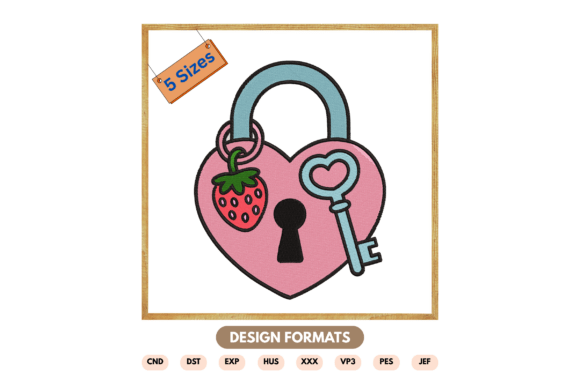
As I prepare my inventory for the upcoming weekend craft fair, I am constantly evaluating which digital assets will translate best into physical sales. The transition from screen to fabric is where many designs fail, but the Heart Lock with Key Embroidery Design immediately caught my attention as a strong contender for my Valentine’s Day and spring market lineup. When reviewing this machine embroidery design, my primary focus is not just on the aesthetic appeal of the cute strawberry charm and heart-shaped key, but on its commercial viability for handmade products. For fellow Etsy sellers, boutique makers, and creative entrepreneurs, understanding how a design performs in a real-world booth setting is crucial for maximizing return on investment.
First Impressions and Marketability
Upon loading the embroidery file into my software, the first impression is undeniably sweet and romantic, yet it avoids being overly juvenile. The combination of the lock mechanism with the organic shape of the strawberry creates a balanced visual that feels both modern and nostalgic. This duality is essential for craft fair products because it appeals to a broad demographic, from teenagers looking for cute tote bag designs to older customers seeking charming tea towel embroidery. The design does not scream "holiday specific," which extends its shelf life beyond February 14th. It reads as a premium handmade product rather than generic clip art, suggesting that the digitizer understood stitch flow and fabric interaction.
For small shop product lines, versatility is king. This design strikes an excellent balance between bold visibility and intricate detail. It is distinct enough to catch the eye of a passerby at a busy market table but retains enough delicate elements to justify a higher price point. As an embroidery business owner, I appreciate designs that communicate quality at a glance. The Heart Lock with Key Embroidery Design achieves this by using clear outlines and purposeful fill stitches that suggest professional craftsmanship.
Best Applications for Craft Fair Inventory
Determining where to place this design is half the battle. Based on my experience with similar romantic motifs, here is how I evaluate its performance across different substrates:
- Tote Bags and Market Bags: This is likely your highest volume seller. The design serves as an ideal centerpiece for canvas totes. Because the motif is self-contained, it works beautifully on natural cotton or linen fabrics often used for eco-friendly market bags.
- Apron Embroidery: Positioning this design on the chest pocket area or lower hem of a bib apron adds a personalized touch. It transforms a utilitarian kitchen item into a giftable handmade product perfect for couples who cook together.
- Tea Towels and Kitchen Linens: Flour sack towels are a staple for embroidery businesses. The Heart Lock with Key Embroidery Design fits perfectly in the bottom corner or centered above a hanging loop. Ensure you use a tear-away stabilizer to prevent puckering on lighter weight linens.
- Embroidered Patches: Given the defined border potential of a lock shape, this artwork adapts well to patch making. These can be sold as standalone add-ons at the booth or applied to denim jackets and caps.
- Fabric Pouches and Zipper Bags: Small cosmetic or pencil pouches require designs that scale down without losing clarity. This motif appears compact enough to remain legible on smaller items, making it a great filler product for your display table.
Production Practicalities and Technical Notes
While the visual appeal is high, practical production concerns must be addressed before batch manufacturing. As a professional designer, I always advise checking specific technical details before committing to a full run. You must verify the exact stitch count, hoop size requirements, and included formats within your digital embroidery file download. Never assume compatibility.
Stitch Density and Fabric Texture: The inclusion of a strawberry charm implies textured fill stitches to mimic seeds and fruit skin. On thick fabrics like terry cloth or fleece, these details can get lost. Always test on scrap fabric first. If stitching on textured towels, consider using a water-soluble topping to keep the stitches crisp and visible. Conversely, if the design has high stitch density in the lock body, ensure you are using adequate stabilizer to prevent the fabric from pulling or distorting during the embroidery process.
Scaling and Clarity: Be cautious when resizing. Reducing the Heart Lock with Key Embroidery Design too much may cause the key teeth or strawberry seeds to merge into a solid blob. There is a minimum size threshold for every design; respect it to maintain the handmade quality your customers expect. If you need a smaller version for a cap or sleeve, look for a specifically digitized "light" or "redwork" variation rather than shrinking a dense design.
Thread Colors and Contrast: The description mentions a strawberry, which typically requires reds, greens, and pinks. However, for a more sophisticated Valentine S Day look, consider monochromatic thread colors like deep burgundy or rose gold. High contrast between thread and fabric is vital for booth visibility. A dark red lock on a black bag might disappear in dim indoor lighting, whereas cream or metallic threads on navy fabric will pop instantly.
Booth Display and Online Listing Strategy
Your booth display strength relies on variety. Use this design to create a cohesive collection. Stitch out samples on different fabric colors to show customers the possibilities. A printable mockup can also be useful for custom orders at the table, allowing buyers to visualize their name or date added next to the lock without you having to pre-stitch every variation.
For Etsy sellers and digital creators, photography is paramount. The Heart Lock with Key Embroidery Design photographs exceptionally well because of its recognizable silhouette. When listing finished products, ensure your main photo shows the texture of the stitches. Flat lays work well for tea towels, while lifestyle shots are better for tote bags and aprons. Highlight the "cute strawberry charm" in your tags and description, as specific descriptive terms drive search traffic better than generic keywords.
Designer Checklist Before Selling
To ensure brand consistency and avoid costly mistakes, follow this pre-production checklist:
- Verify Commercial Licensing: Before selling any finished product or offering the digital embroidery file itself, confirm the license terms. Some designers allow unlimited physical sales but prohibit sharing the file.
- Create Real Mockups: Do not rely solely on software renderings. Stitch at least one physical sample to check spacing and color blending.
- Check Stabilizer Pairing: Match your backing to the fabric weight. Cut-away for stretchy knits, tear-away for wovens, and adhesive for hard-to-hoop items like pouches.
- Inspect Stitch Registration: Run a test to ensure the outline aligns perfectly with the fill. Misregistration looks unprofessional and devalues the handmade product.
- Evaluate Batch Efficiency: Time how long the design takes to stitch. Calculate your hourly rate plus materials. If the stitch count is excessively high for the perceived value, it may not be profitable for low-cost items like patches.
The Heart Lock with Key Embroidery Design offers significant potential for creative entrepreneurs preparing for seasonal markets. Its blend of romantic symbolism and playful detail makes it a versatile asset for everything from apron embroidery to giftable pouches. By approaching this design with a critical eye toward production realities, fabric compatibility, and customer appeal, you can turn a simple digital file into a best-selling craft fair product. Remember that success in commercial embroidery lies not just in the beauty of the art, but in the intentionality of its execution. Test thoroughly, display confidently, and let the quality of your stitching speak for itself.