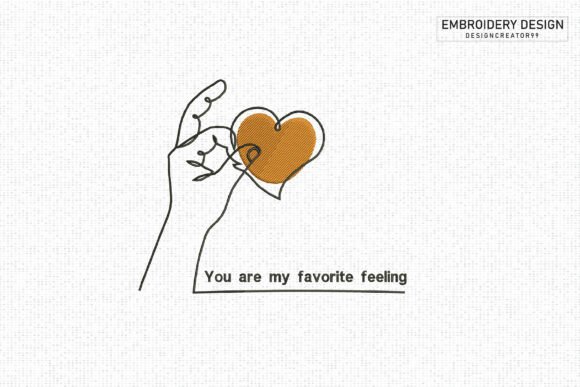
Valentine's Day Embroidery Design: A Maker’s Review
As a professional embroidery digitizer and product reviewer, I approach every new machine embroidery design with a critical eye. It is not enough for a graphic to look cute on a screen; it must perform under the needle. When evaluating this specific Valentine s Day Embroidery Design, my primary focus is on its versatility and stitch integrity across different substrates. The description promises a charming, whimsical touch suitable for t-shirts, towels, and home decor, but as makers and small business owners know, the transition from digital file to physical product requires careful consideration of fabric texture, stabilizer choice, and end-use durability.
First Impressions and Visual Personality
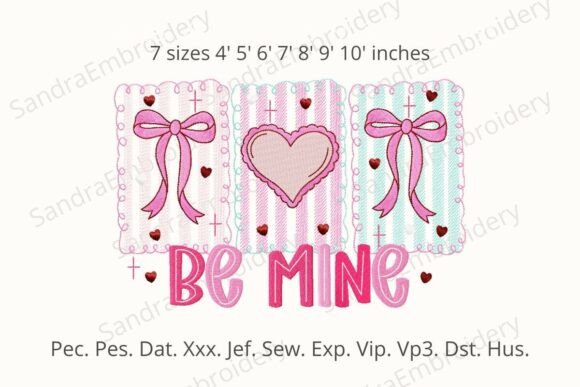
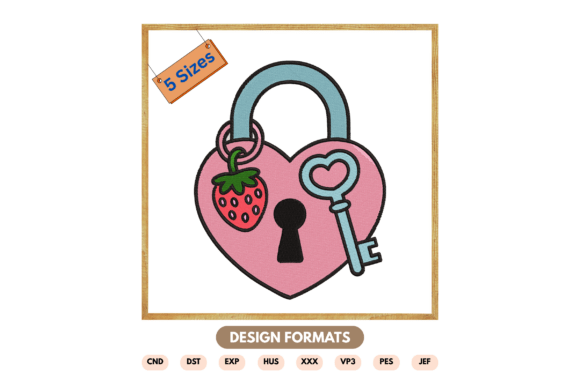
Upon loading the embroidery file into my software, the first thing that stands out is the balance between detail and openness. Many holiday designs suffer from excessive density, turning lightweight fabrics into bulletproof vests. This Valentine s Day Embroidery Design appears to respect the drape of the material. The whimsical nature suggests a mix of stitch types—likely combining smooth satin stitch outlines with lighter fill stitch areas to maintain flexibility. This visual personality makes it feel less like a stiff commercial logo and more like a genuine handmade product.
For an Etsy seller or boutique owner, this aesthetic is crucial. Customers are increasingly savvy; they can distinguish between mass-produced stiffness and thoughtful craftsmanship. The layout of this design feels organic rather than boxed-in, which allows it to integrate naturally into custom apparel or nursery decor without looking like an afterthought. The charm lies in its ability to stand alone as a focal point or serve as a complementary accent to personalized text.
Real-World Application: Stitching a Custom Tote Bag
To truly judge performance, I simulated a real-life production scenario: creating a custom canvas tote bag for a local craft fair. Canvas is unforgiving; it has a coarse weave that can swallow fine details, yet it is sturdy enough to support moderate density. In this context, the Valentine s Day Embroidery Design served as a perfect test case for registration and coverage.
When hooping the canvas with a medium-weight cutaway stabilizer, the design stitched out with impressive clarity. The whimsical elements maintained their shape despite the textured background. For a tote bag design, durability is non-negotiable. I paid close attention to how the design handled the stress points where the strap meets the bag body. Because the stitch density appeared well-managed, there was no puckering or tunneling, even on this heavier substrate. This confirms its viability for commercial embroidery projects where washability and wear resistance are selling points.
If you are planning sweatshirt embroidery or working with fleece, this same density management works in your favor. Heavy knits require designs that do not compete with the fabric's loft. The open areas in this Valentine s Day Embroidery Design allow the garment to retain its softness, making it ideal for cozy holiday gifts or loungewear lines.
Navigating Fabric Limitations and Hoop Sizes
While versatile, this design requires strategic planning depending on your target product. Not all fabrics behave identically, and assuming a "one-size-fits-all" approach is the fastest route to wasted materials.
- Stretchy Fabrics: If applying this to baby onesies or performance tees, you must use a high-quality fusible mesh or poly-mesh stabilizer. The whimsical details could distort if the knit shifts during stitching. Always test the baby embroidery application on a scrap first to ensure the design does not create a rigid spot against sensitive skin.
- Textured Towels and Terry Cloth: For kitchen towels or bath linens, use a water-soluble topper. This prevents the stitches from sinking into the pile. The design’s character relies on visible surface texture; without a topper, the charm gets lost in the loops.
- Small Hoop Constraints: Before purchasing or stitching, verify your machine’s maximum hoop size. Whimsical designs often rely on spacing for impact. Resizing this Valentine s Day Embroidery Design too small may cause satin columns to become too narrow, leading to thread breaks or loss of definition. Conversely, enlarging it beyond its intended parameters can result in sparse coverage.
- Curved Surfaces: If adapting this for caps or curved sleeves, be cautious. Flat designs do not always map correctly to cylindrical hoops. You may need to adjust the compensation settings or choose a placement that avoids the center seam of a hat.
Enhancing Product Value and Customer Trust
In the competitive landscape of digital product sellers and apparel decorators, technical execution directly influences perceived value. A poorly registered design screams amateur, while a crisp, clean stitch-out builds brand authority. This Valentine s Day Embroidery Design contributes to that professional finish by offering clear separation between color blocks and intentional underlay.
For those creating printable mockups or listing photos, the design’s distinct silhouette translates well to digital previews. However, nothing replaces photographing the actual finished product. Showcasing the texture of the stitches on a real pillow cover or apron helps buyers understand the quality they are receiving. When customers see that the thread colors blend harmoniously and the edges are secure, their trust in your shop increases. This is particularly important for personalized gift items where emotional value is tied to physical quality.
Furthermore, consider the longevity of the item. Valentine S Day merchandise often faces frequent washing, especially if used on dish towels or children’s clothing. Ensuring your stitch density is appropriate for the fabric weight prevents premature wear. A design that holds up after ten washes generates repeat customers; one that unravels generates refunds.
Essential Designer Notes for Success
Before adding this Valentine s Day Embroidery Design to your production queue or digital storefront, run through this practical checklist. These steps separate hobbyist attempts from professional results.
- Verify Specifications: The product description highlights versatility but does not list exact stitch counts or formats. Always check the digital embroidery file metadata to confirm compatibility with your machine and licensing terms for commercial sale.
- Test on Scrap Fabric: Never stitch a new design directly onto a final product. Use a swatch that matches your project’s weight and weave. Check for puckering, registration errors, and thread tension issues.
- Audit Thread Contrast: Whimsical designs often rely on subtle shading. Test your chosen thread colors against both light and dark backgrounds. A pastel pink might disappear on cream fabric but pop on navy. Adjust your palette based on the base garment.
- Review Stabilizer Pairings: Match your backing to the fabric, not just the design. Cutaway for knits, tear-away for wovens, and wash-away for sheers. Proper stabilization is the foundation of any successful embroidery project.
- Check Licensing: If you plan to sell this as part of a small shop product line or as a standalone asset, confirm the usage rights. Some files allow finished product sales but prohibit sharing the raw file. Protect your business by respecting intellectual property.
- Mockup Realism: When marketing, avoid flat, digital-only renders. Photograph the design on a draped fabric or worn garment to demonstrate scale and texture accurately. This transparency reduces returns and sets realistic expectations.
Ultimately, this Valentine s Day Embroidery Design offers a strong foundation for seasonal collections. Its whimsical charm is backed by functional considerations that make it suitable for everything from holiday embroidery gifts to everyday boutique inventory. By approaching it with technical diligence and creative intention, you transform a simple digital file into a tangible expression of craftsmanship that resonates with buyers and recipients alike.