Mardi Gras Beads Machine Embroidery Review
As a professional embroidery digitizer and product reviewer, I approach every new machine embroidery design with a critical eye toward production viability. When evaluating the Mardi Gras Beads Machine Embroidery file, my primary focus is not just on the festive aesthetic, but on how this digital asset translates from screen to fabric in a real-world studio environment. This design captures the vibrant energy of Carnaval and Fat Tuesday, featuring a classic beaded necklace pattern that serves as an excellent decorative element. However, for Etsy sellers, craft business owners, and apparel decorators, understanding the technical behavior of this bead simulation is essential before committing it to inventory or client projects.
First Impressions and Visual Rhythm
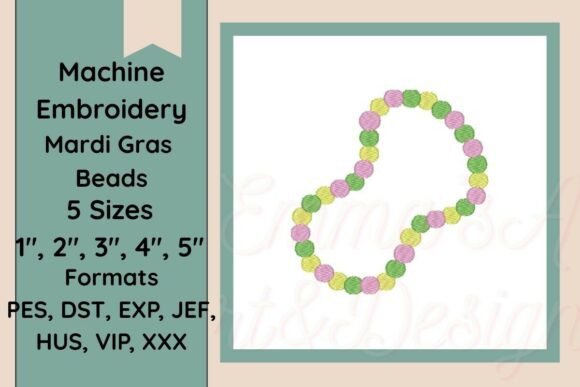
Upon loading the embroidery file into my editing software, the first thing that stands out is the visual rhythm. The design successfully mimics the drape and weight of physical beads without relying on excessive density that could distort lightweight fabrics. In the context of Dance costumes or performance wear, where movement is key, this design offers a static representation of motion. The layout suggests a natural curve, making it ideal for yoke placements, hemlines, or arcing across a chest panel. Unlike generic clipart conversions, this digital embroidery file appears to have been structured with stitch direction in mind, which is crucial for achieving that signature shimmer associated with Mardi Gras festivities.
The mood is undeniably celebratory, yet refined enough for boutique merchandise. It avoids the chaotic clutter often found in holiday designs, opting instead for a clean, recognizable silhouette. For a handmade product line, this clarity ensures the design reads well in thumbnail photos and printable mockups, helping drive buyer engagement before they even see the physical item.
Real-World Application: The Custom Sweatshirt Test
To truly judge the utility of the Mardi Gras Beads Machine Embroidery, I mentally applied it to a current client request: a custom crewneck sweatshirt for a local parade krewe. Sweatshirt fleece is a forgiving but textured substrate, making it the perfect testing ground for simulated textures like beads.
In this scenario, the design functions as a high-impact graphic that replaces traditional screen printing. Because the beads are rendered via stitch rather than ink, the finished product gains a tactile quality that elevates perceived value. For custom apparel, this distinction matters. Customers are willing to pay a premium for sweatshirt embroidery that feels substantial. The bead pattern acts as a border or accent, framing personalized text or names without overwhelming the garment. From a production standpoint, this specific application allows for efficient hooping and minimal repositioning, streamlining workflow for small shop owners fulfilling bulk orders during the short Mardi Gras season.
Technical Performance and Stitch Integrity
A pretty picture does not guarantee a smooth run on the machine. When analyzing the stitch density of this Mardi Gras Beads Machine Embroidery, several practical considerations emerge for different substrates:
- Satin Stitch Definition: The individual "beads" likely rely on satin stitches or specialized fill patterns. On stable fabrics like denim or canvas tote bags, these should remain crisp. However, on stretchy knits, proper stabilization is non-negotiable to prevent the beads from looking warped or sinking into the fabric grain.
- Thread Color Management: The classic Mardi Gras palette involves purple, green, and gold. Metallic threads can add authenticity but increase friction and breakage risk. If using this for commercial embroidery at scale, consider testing high-sheen polyester as a durable alternative to metallics to maintain production speed while retaining the festive glint.
- Fabric Texture Interaction: On highly textured fabrics like terry cloth or minky (common for baby embroidery or blankets), the fine details of the bead separation may get lost. In these cases, the design works best when scaled up slightly to preserve legibility.
For tote bag design projects, this file offers excellent coverage without creating a bulletproof patch of stiffness. The balance between coverage and flexibility ensures the bag remains functional rather than becoming rigid at the embroidery site.
Navigating Limitations and Placement Risks
While versatile, the Mardi Gras Beads Machine Embroidery requires strategic placement. I would advise caution when applying this to curved surfaces like caps. Unless the design has been specifically digitized for cylindrical hooping, the flat arc of a necklace pattern may distort on a rounded brim. Similarly, for small hoop sizes, verify that the resizing process does not collapse the gaps between individual beads. Reducing a complex texture design by more than 20% often results in thread buildup and needle breaks.
Dark fabrics present another variable. While the design celebrates color, low contrast between dark thread and dark fabric kills visual impact. Always test thread colors against your specific base material. A deep purple bead on a black shirt disappears; on a white shirt, it pops. This contrast check is vital for personalized gift items where customer satisfaction hinges on visibility.
Furthermore, consider washability. If this design is intended for kitchen towels or aprons, ensure the stitch type can withstand frequent laundering. Simulated beads with long float stitches may snag. Confirming the structural integrity of the applique design elements or fill stitches beforehand prevents returns and protects your brand reputation.
Professional Workflow and Business Considerations
Integrating this design into a commercial workflow requires due diligence. Before listing any small shop product featuring this art, review the licensing terms included with the purchase. Some files allow for unlimited physical sales but prohibit sharing the design assets themselves. Clarifying this protects your business legally.
I strongly recommend a three-step validation process before full production:
- Stitch-Out Verification: Never trust the screen preview implicitly. Run a test on scrap fabric identical to your final project. Check for registration issues between color changes and verify that the bead spacing looks intentional, not accidental.
- Mockup Accuracy: When creating listings, use realistic printable mockups that reflect the actual stitch texture. Overly smoothed digital renders set false expectations. Showing the true texture builds trust with buyers looking for authentic holiday embroidery.
- Stabilizer Selection: Match your backing to the fabric weight. Cut-away stabilizer is generally superior for knit apparel to maintain the shape of the bead strand over time, while tear-away may suffice for woven home decor items.
Elevating Product Value Through Design Choice
Ultimately, the Mardi Gras Beads Machine Embroidery succeeds because it bridges the gap between novelty and craftsmanship. For makers and designers, it provides a ready-made solution for seasonal demand without sacrificing professional quality. Whether used as a standalone motif on an embroidered patch or integrated into complex custom apparel, its success depends on the operator's understanding of materials and mechanics.
By treating this embroidery project with the same technical rigor as any corporate logo or intricate portrait, you transform a simple festive graphic into a high-value asset. The result is a product that honors the tradition of Mardi Gras while showcasing the precision and care inherent in modern machine embroidery. Always remember to verify specific file formats and compatibility with your machine brand before purchasing, as these technical specifications vary by vendor. With proper execution, this design is a reliable tool for capturing the spirit of Fat Tuesday in every stitch.