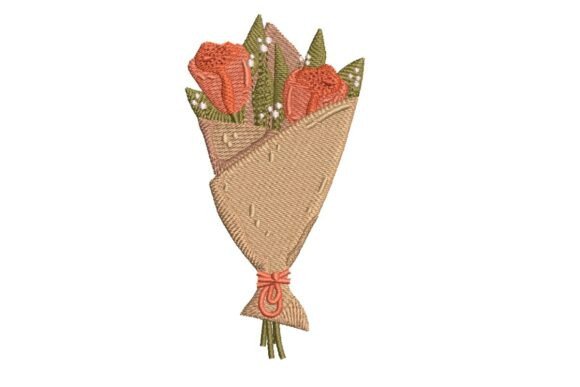
Red Roses Bouquet Embroidery: A Craft Fair Review
As an experienced embroidery designer preparing for a busy weekend craft fair, I approach every new machine embroidery design with a critical eye. It is not enough for a digitized file to look beautiful on a computer screen; it must translate into a profitable, high-quality handmade product that catches the attention of shoppers walking past a booth. When evaluating the Red Roses Bouquet Embroidery for my upcoming market table, I am looking for versatility, stitch integrity, and that intangible quality that makes a customer stop and pick up an item. This review breaks down how this specific floral motif performs in a real-world commercial setting, focusing on practical production and sales potential.
First Impressions and Market Positioning
The Red Roses Bouquet Embroidery immediately strikes me as a classic, elegant choice rather than a trendy or novelty graphic. Based on the description featuring two lush, blossoming red roses, this design leans heavily into timeless romance and traditional aesthetics. For a craft fair booth, this is a significant advantage. While modern minimalism has its place, floral bouquets remain a consistent best-seller across demographics. The visual weight of "lush" blossoms suggests a design with enough coverage to feel premium without being overly dense or stiff.
In terms of mood, this embroidery file reads as sophisticated yet accessible. It avoids the stiffness of rigid botanical illustrations, likely offering a softer, more organic drape when stitched out. This elegance makes it suitable for higher-end items like linen pillow covers or boutique aprons, but the universal appeal of red roses also allows it to work on accessible price-point items like tea towels. As an Etsy seller or market vendor, having a design that bridges the gap between luxury and everyday utility is essential for maximizing booth revenue.
Best Product Applications for Booth Sales
When planning my inventory, I categorize designs by their "sellability" on specific blanks. The Red Roses Bouquet Embroidery shows strong potential across several key categories that drive craft fair sales.
- Tote Bag Design: Canvas totes are a staple at handmade markets. The dual-rose composition likely centers well on a standard tote, creating a balanced focal point. Because red roses provide high contrast against natural cotton canvas, this application offers excellent visibility from a distance, drawing customers into the booth.
- Apron Embroidery: Gardeners and cooks love floral motifs. Placing this bouquet on the bib or lower pocket of a denim or linen apron creates an instant emotional connection. The romantic nature of the design elevates a utilitarian item into a giftable treasure.
- Tea Towel Embroidery: This is often the highest-volume seller at craft fairs. The Red Roses Bouquet Embroidery works beautifully here because florals imply freshness and domestic warmth. However, placement is key; stitching slightly above center ensures the design isn't hidden when the towel is folded or hung.
- Pillow Covers and Home Decor: For customers seeking permanent home accents, this design adds a touch of cottage-core elegance. Unlike seasonal decor, red roses sell year-round, making this a safe bet for inventory that won't expire after a holiday.
While caps and patches are popular, I would exercise caution with this specific design. Unless the digitizing is exceptionally open and airy, two "lush" roses may be too complex for the curved surface of a cap or the small scale of a standard embroidered patch. Always verify the physical size limits before committing to these substrates.
Production Practicality and Batch Efficiency
For a small shop product line, efficiency dictates profit margins. A design might be gorgeous, but if it requires constant thread changes or specialized hooping for every single unit, it becomes difficult to produce in batches for a weekend market. The Red Roses Bouquet Embroidery appears favorable for batch production because floral designs typically utilize large color blocks. This minimizes trim jumps and reduces the time spent at the machine compared to intricate lettering or multi-color geometric patterns.
From a photography standpoint, red roses are highly photogenic. High contrast against light fabrics makes for striking listing photos and social media content. When creating a printable mockup for digital sales or pre-show marketing, ensure the red tones are color-corrected. Neon or oversaturated reds can look cheap in photos, whereas true, deep crimson tones convey the quality promised by the "elegant" description. Consistent branding across your physical samples and online listings builds trust with buyers who may have seen your work previously.
Critical Technical Considerations for Makers
Even the most beautiful digital embroidery file can fail if technical variables are ignored. As a professional, I must highlight specific areas where caution is required when producing the Red Roses Bouquet Embroidery for sale.
Fabric Texture and Stabilizer Choice
Lush floral designs often involve satin stitches and fill areas that demand proper support. On textured fabrics like terry cloth tea towels or waffle-weave kitchen linens, the stitches can sink into the pile, causing detail loss. You must use an appropriate water-soluble topping to keep the stitches crisp and visible. Conversely, on lightweight linen for pillow covers, ensure your stabilizer provides enough backing to prevent puckering around the dense blossom areas without making the finished product stiff.
Stitch Density and Fabric Weight
The term "lush" implies coverage. Before running a production batch, check the stitch density. If the design is too dense for your chosen fabric, the result will be bulletproof and unappealing. Test the design on scrap fabric first. If you plan to offer this on varying weights—from light quilting cotton to heavy canvas—you may need to adjust compensation settings or select different versions of the file if available. Never assume one setting works for all fabric texture types.
Thread Colors and Contrast
Red is notoriously difficult to match across thread brands. Ensure your thread colors accurately reflect the intended shade of the roses. A bright fire-engine red conveys a different message than a deep burgundy or dusty rose. Since the description specifies "red roses," stick to true reds to meet customer expectations. Also, consider the background fabric color. Red on black can disappear in low-light craft fair environments, while red on cream or white pops vibrantly. Dark fabrics may require a white underlay to prevent the fabric grain from showing through the red stitches.
Maximizing Value and Customer Engagement
Ultimately, the goal of reviewing the Red Roses Bouquet Embroidery is to determine its return on investment. This design strengthens booth displays by adding a recognizable, emotionally resonant element. Shoppers associate roses with love, appreciation, and tradition, which facilitates impulse purchases for gifts. To maximize this, display finished samples prominently. Do not just show the digital image; customers need to see how the finished product drapes and feels.
For those selling the design assets themselves, emphasize the versatility of the bouquet in your listing descriptions. Highlight that it serves as both a standalone centerpiece and a complementary element for larger projects. Confirm commercial embroidery licensing terms before selling finished goods or the file itself. Nothing undermines a business faster than licensing disputes.
In summary, the Red Roses Bouquet Embroidery is a strong contender for any maker’s portfolio. Its blend of elegance and universality makes it a reliable seller for tote bags, aprons, and home textiles. By paying close attention to stabilizer selection, testing on actual production fabrics, and presenting the design with professional photography, you transform a simple digital file into a cornerstone product for your handmade business. Always hoop, test, and verify before the market opens to ensure every stitch contributes to your brand's reputation for quality.