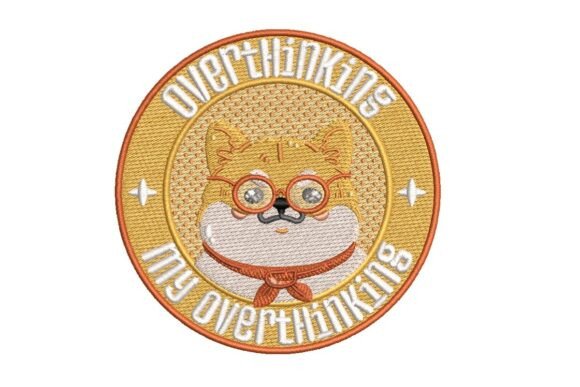
Shiba Inu Embroidery: A Craft Fair Seller Review
As an experienced embroidery designer preparing for a weekend craft fair, I approach every new machine embroidery design with a critical eye. It is not enough for a file to simply digitize well on screen; it must translate into a profitable craft fair product that catches the attention of shoppers walking past a crowded booth. When evaluating the “Overthinking My Overthinking” Shiba Inu embroidery, my immediate assessment focuses on its unique blend of relatable humor and specific aesthetic appeal. This design falls squarely into the Animal Quotes category, but unlike generic pet art, it targets a very specific emotional niche: the anxious, overthinking creative or dog lover. The first impression is undeniably modern and humorous, striking a balance between cute and self-deprecating that resonates deeply with millennial and Gen Z buyers.
Evaluating Booth Appeal and Product Placement
When setting up a table display, visual hierarchy is everything. Customers often decide within seconds whether to stop or keep walking. For this Shiba Inu embroidery, I envision it performing exceptionally well as a focal point rather than a background accent. The combination of text and character illustration requires enough physical space to be legible from three feet away. On a standard 4x4 hoop size, the details might get lost in a busy market environment, so I recommend utilizing larger formats where possible.
For my upcoming booth, I would prioritize this design for specific handmade products that allow for high visibility:
- Tote Bag Design: Canvas totes are prime real estate for quote-based embroidery. The flat surface allows for crisp lettering, and the large area accommodates the full “Overthinking My Overthinking” phrase without cramping the Shiba illustration.
- Apron Embroidery: This is a top-tier application. Aprons have a built-in audience of cooks and creators who understand the stress of perfectionism. Placing this design on the bib or upper chest creates an instant conversation starter.
- Tea Towel Embroidery: Kitchen linens sell consistently at markets. However, because tea towels are often viewed while hanging or folded, placement is key. Center-chest placement ensures the joke lands even when the towel is draped over an oven handle.
- Embroidered Patch: If you cannot commit to full garments, converting this design into a patch is a smart low-risk strategy. Patches allow customers to buy the humor without committing to a specific item, increasing impulse sales.
Production Practicality and Batch Efficiency
A beautiful design is useless if it takes four hours to stitch out and eats through thread inventory. As a business owner, I must evaluate the stitch density and production speed. Text-heavy designs like this can sometimes become bulletproof vests if the digitizer used excessive underlay or satin stitches for the font. Before listing this as a commercial embroidery product, I would run a test stitch-out to time the production cycle. If the design relies heavily on fill stitches for the Shiba’s fur, it may increase stitch count significantly. While textured fur looks premium, it must be balanced against profit margins.
Photographing this design for online listings requires careful consideration of contrast. The “Overthinking” theme suggests a slightly chaotic or busy mental state, but your product photography should remain clean. I recommend using neutral backgrounds that let the thread colors pop. Because this is a text-based design, ensure your photos are sharp enough that potential buyers can read the quote in the thumbnail. Blurry text kills conversion rates for Etsy sellers. Creating a printable mockup alongside real product photos helps digital buyers visualize the final result, bridging the gap between screen and fabric.
Critical Technical Considerations for Makers
While the concept is strong, technical execution determines whether a customer returns or leaves a bad review. There are several careful-use notes I must highlight for fellow makers integrating this Shiba Inu embroidery into their lineup:
- Small Lettering Clarity: The phrase “Overthinking My Overthinking” contains repeating words. If scaled down too small, the letters may merge. Always verify the minimum safe size before resizing the embroidery file. Serif fonts are particularly risky at small scales.
- Fabric Texture Interference: On terry cloth towels or waffle-weave fabrics, the texture can swallow fine details. You must use a water-soluble topping to keep the stitches above the nap. Without it, the Shiba’s facial expression may disappear into the fabric weave.
- Curved Surfaces: If applying this to caps, be aware that horizontal text lines can distort on curved brims. This design likely performs better on unstructured caps or flat-brim hats where the embroidery field is more stable.
- Stabilizer Selection: Do not skimp on stabilization. The combination of text and a filled animal figure creates variable tension points. Using the wrong stabilizer can cause puckering around the letters, making the finished product look amateurish despite high-quality digitizing.
Designer Notes for Commercial Success
Before I load this design into my machine for batch production, I follow a strict validation protocol. First, I always check the licensing terms included with the digital embroidery file. Just because you bought the file does not automatically grant unlimited commercial rights for finished products. Confirm you are cleared to sell items at craft fairs and online.
Next, I create at least one physical sample on the exact material I intend to sell. Digital previews can be deceiving regarding color blending and spacing. I inspect the spacing between the Shiba graphic and the text to ensure they feel cohesive rather than disjointed. Thread contrast is another vital check; white text on cream fabric might look elegant on a computer monitor but will be invisible in dim indoor market lighting. Opt for high-contrast thread colors that enhance readability.
Finally, consider the emotional value proposition. This isn't just a dog design; it is a mood. When marketing this small shop product, lean into the relatability. Use tags and descriptions that speak to anxiety, neurodivergence, and pet ownership. The value of this design lies in its ability to make a stranger feel seen. Whether you are selling a premium embroidered pillow cover or a simple canvas pouch, the success of this Shiba Inu embroidery depends on matching the right product vessel with the right emotional message. By respecting the technical constraints and leveraging the humor effectively, this design has the potential to be a consistent bestseller in both physical and digital storefronts.